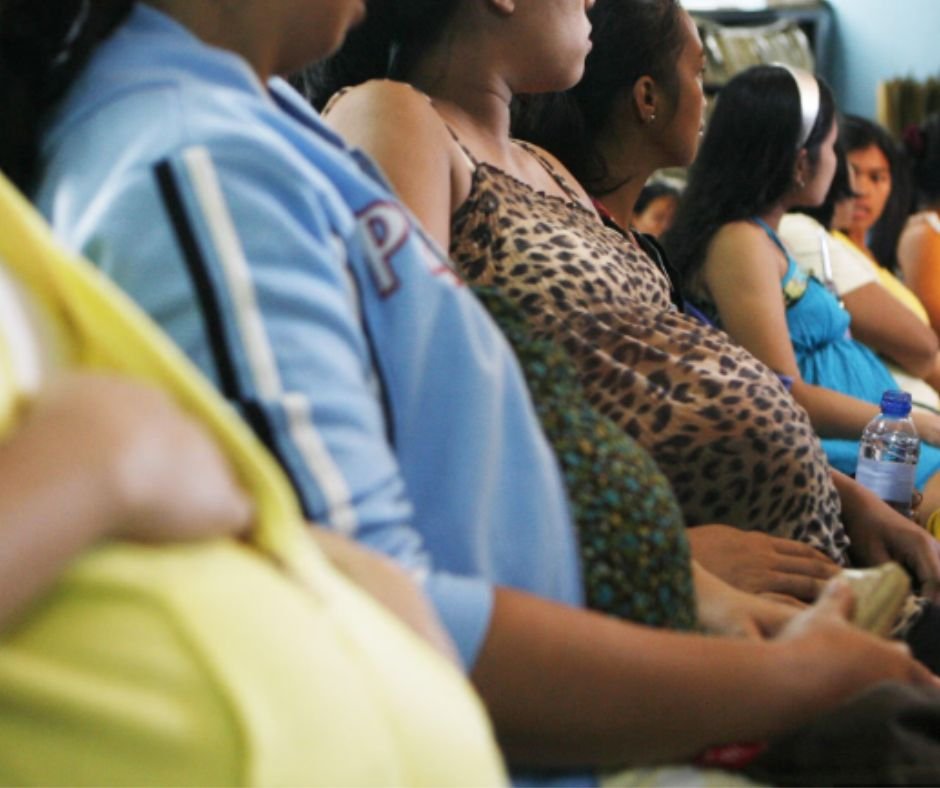
In Mindanao, adolescent pregnancy persists as data exposes gaps in education and services

Date:

Share post:

CAGAYAN DE ORO CITY (March 19) — In Mindanao, the numbers tell a story that policy debates often avoid.

In Northern Mindanao alone, 10.9% of girls aged 15–19 have already begun childbearing—the highest rate in the country, according to national survey data.


In the Davao Region, the situation is similarly alarming, with earlier data showing rates reaching as high as 17.9% in some areas. 

These are not isolated figures—they reflect a pattern where geography, poverty, and policy gaps converge.

A crisis concentrated in the margins

Nationally, around 10% of Filipino girls aged 15–19 have begun childbearing, but the burden is uneven—and heavier in regions like Mindanao. 

In real terms, that translates to scale:

  • At least 150,000 births to teenage mothers were recorded in 2022, or roughly 411 births per day 
  • Across recent estimates, over 500 Filipino teenagers give birth daily, placing the country among the highest in Southeast Asia 

Even more alarming is the rise among younger girls: births among those aged 10–14 have increased in recent years, signaling deeper protection failures. 

Where policy gaps hit hardest

In Mindanao, these risks are amplified by structural realities: limited school access in remote areas, fragile health systems, and cultural norms that can discourage open conversations about sexuality.

This is why the rollback of comprehensive sexuality education (CSE) under the Department of Education is particularly consequential.

Evidence vs. direction

Global evidence from the World Health Organization shows that adolescent pregnancy is preventable—through sexuality education, access to contraception, and protection from coercion.

Yet access remains uneven. In Northern Mindanao, for instance, 67% of sexually active unmarried women do not use any form of family planning, a gap directly linked to unintended pregnancies. 

The disconnect is clear: the evidence exists, but delivery systems—and policies—lag behind.

Laws without reach

The Philippines has enacted protective laws, including Republic Act No. 11596. But even as early marriage is criminalized, adolescent pregnancies continue—often outside formal unions.

Births outside marriage have surged to around 60% of total births by 2024, reflecting a shift toward informal “live-in” arrangements that fall outside traditional policy frameworks.

This exposes a critical blind spot: laws can prohibit early marriage, but they do not automatically equip adolescents with the knowledge or services to prevent pregnancy.

The invisible reality

Despite the data, policy narratives still frame adolescent pregnancy largely as a result of abuse.

While coercion remains a serious issue, this framing obscures another reality: a significant number of adolescents are sexually active and need access to voluntary, rights-based contraception.

Without that recognition, they remain underserved—especially in Mindanao, where stigma and service gaps are more pronounced.

A question of equity

The numbers are clear. The solutions are known.

But in Mindanao, preventing early and coerced adolescent pregnancy is no longer just about awareness—it is about who gets access to information, services, and protection, and who does not.

As policymakers debate reforms, the data raises a harder question:

Will the government invest in empowering adolescents where the need is greatest—or continue to leave Mindanao’s youth navigating risk on their own?

spot_img

Related articles

Recovery on Hold: Marawi’s Long Rebuild and the Strain of Today’s Socioeconomic Pressures

MARAWI CITY / MINDANAO (April 12)  — Nearly nine years after the 2017 siege, Marawi’s slow recovery continues...

NAPC Pushes Magna Carta of the Poor as LGUs Brace for Deepening Economic Strain

KIDAPAWAN CITY (April 12)  — As rising prices and economic pressures continue to strain communities across Mindanao, the...

Protesters Slam Gov’t Inaction as Economic Crisis Deepens

DAVAO CITY (April 11)  — Youth activists took to the streets on Friday, April 10, calling out what...

Gensan Police Turn to Bicycles as Fuel Crisis Forces Shift in Public Services

GENERAL SANTOS CITY (April 11)  — As surging fuel prices strain government operations nationwide, the General Santos City...