Lanao del Sur tightens guard vs VAWC, trafficking amid rising local cases

Date:

Share post:

Photo; PIA

MARAWI CITY (April 28) — A rise in reported abuse and trafficking cases is pushing Lanao del Sur to strengthen frontline protection systems, with officials warning that gaps at the community level can quickly put women and children at risk.

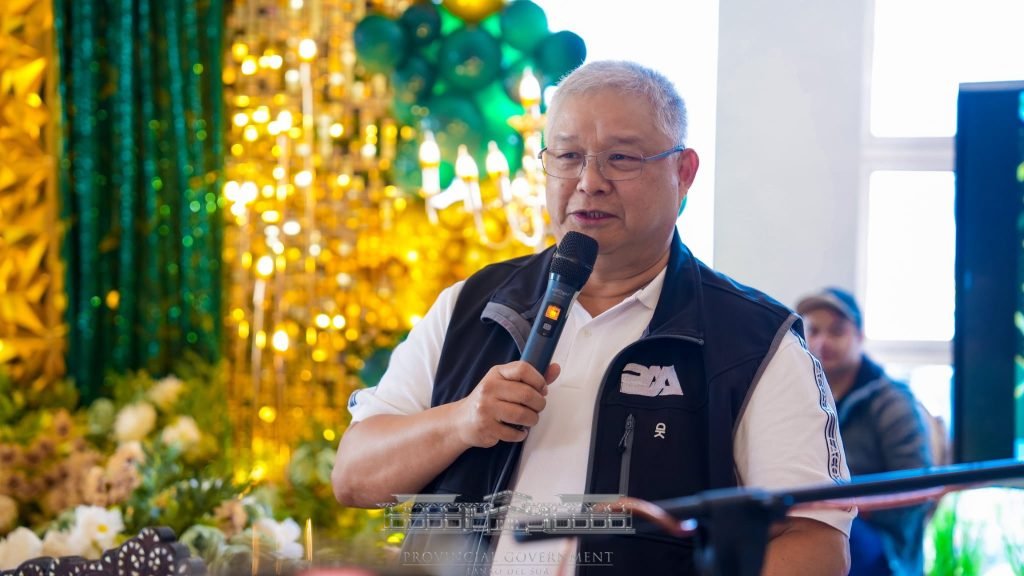
Governor Mamintal Adiong Jr. renewed his call for municipalities to sustain—and scale up—efforts against violence and exploitation, as the province recognized 25 LGUs for their performance in implementing programs under the Violence Against Women and Children (VAWC) and anti-trafficking initiatives.

Local data underscores urgency

Officials also flagged recurring trafficking incidents involving women and children transported through inter-provincial routes in Mindanao, often intercepted through joint police and community tip-offs. Cases typically involve illegal recruitment, forced labor, or sexual exploitation.

While exact figures fluctuate yearly, authorities say underreporting remains a concern, particularly in remote or conflict-affected areas where access to reporting mechanisms and support services is limited.

“The numbers we see are only part of the picture,” Adiong said. “What matters is how quickly and effectively we respond—and how well we prevent the next case.”

Mixed LGU readiness

The 2025 functionality assessment of Local Committees on Anti-Trafficking (LCAT) and VAWC shows uneven preparedness across municipalities:

  • 13 LGUs rated with high functionality
  • 12 LGUs rated moderately functional

Officials say this gap can directly affect response time, case handling, and victim support.

LGUs as first responders

At the Ranaw Business Hotel, municipal leaders joined representatives from the Ministry of the Interior and Local Government (MILG) to review performance and align strategies.

MILG Provincial Director Cader Indar Jr. stressed that LGUs must move beyond compliance—ensuring women and children protection desks are fully operational, referral pathways are clear, and coordination with law enforcement is seamless.

Turning metrics into protection

OIC-Provincial Social Welfare and Development Officer Monaima Adiong said the assessment is designed to drive accountability and improve service delivery—from faster case documentation to more effective rescue and rehabilitation.

Updated monitoring guidelines were also rolled out, signaling tighter oversight of LCAT-VAWC performance.

From response to prevention

Officials say the challenge now is shifting from reactive interventions to prevention—strengthening community awareness, improving surveillance of trafficking routes, and expanding access to services in far-flung areas.

For Lanao del Sur, the message is clear: functionality scores must translate into real protection.

As trafficking networks evolve and VAWC cases persist, the province is pushing its LGUs to close the gap between policy and practice—before more women and children fall through the cracks.

RIZAL MEMORIAL COLLEGEspot_img

Related articles

Aleson Resumes Domestic Sailings, but Sabah Repatriation Run Still Hangs on Maritime Clearance

Kota Kinabako, Malaysia (August 16) — Maritine authorities has authorized the resumption of passenger operations by Aleson...

Bonoan: Tanang Senador nakakuha og bahin sa ‘Leadership Fund’

DAKBAYAN SA DAVAO (Agosto 15)—Tanang Senador nakakuha og bahin sa miaging Kongreso og dili mo menus sa...

Mindanao Has the Minerals. Will Pax Silica Bring the Value?

DAVAO CITY (August 15) — Mindanao could become one of the Philippines’ most important sources of the minerals...

Quiboloy extradition: Treaty obligations, due process and the death penalty question

MANILA (August 15) — The Philippine government is preparing to surrender Pastor Apollo Quiboloy to the United States...