CAGAYAN DE ORO CITY (October 10) — With uneven progress across key development targets, Northern Mindanao is ramping up efforts to meet its commitments to the Sustainable Development Goals (SDGs) through a new strategy aimed at catching up on lagging indicators.
Regional planners and statisticians are pinning their hopes on the SDG Catch-Up Plan, a roadmap designed to accelerate progress in areas where the region is either falling behind or has stalled.
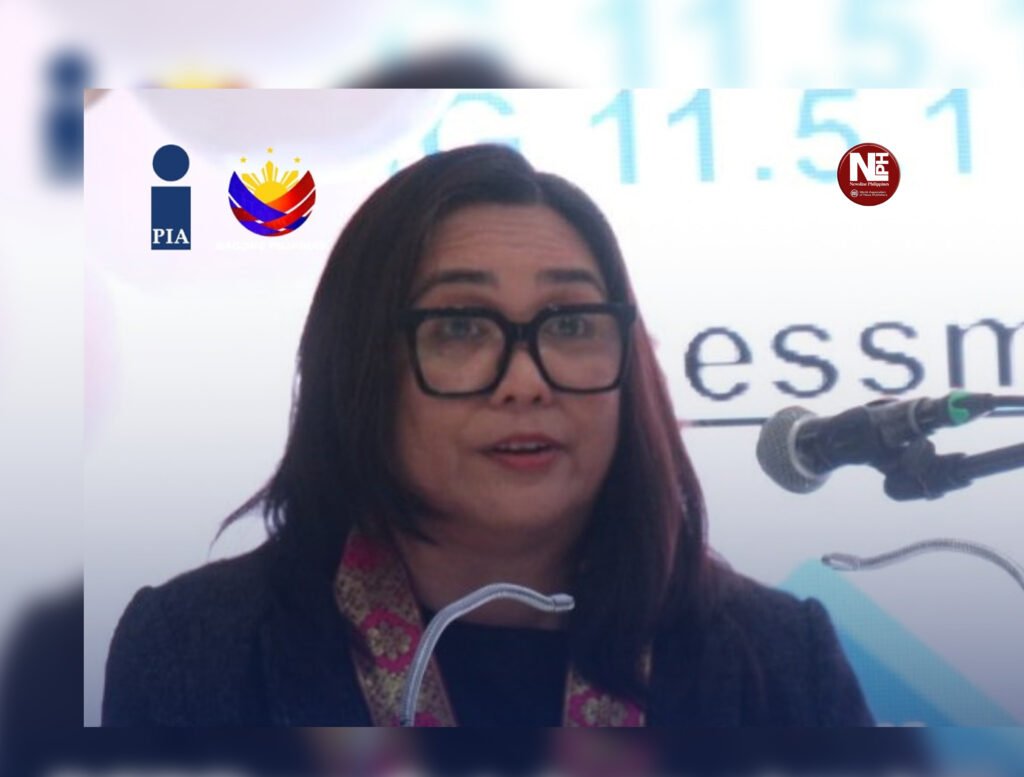
“We are not focusing on all of the SDGs because there are goals where we are already on track,” said Mylah Faye Aurora B. Cariño, regional director of Department of Economic Planning and Development Region 10. “But there are indicators where we are regressing and where our performance slowed down. That’s why it needs acceleration.”
Cariño delivered the message during the regional opening ceremony of National Statistics Month on October 7, underscoring how data-driven planning can address persistent challenges in development.
Targeting what works—and what doesn’t
The catch-up plan, crafted with support from the Regional Development Council Region 10 and based on assessments from the Philippine Statistics Authority, focuses on indicators that reflect the region’s biggest development gaps.
“It’s not for lack of trying,” Cariño explained. “But sometimes, our programs only address the symptoms, not the root causes. We need to understand the underlying determinants of our challenges.”
In 2024, the RDC passed several resolutions to mobilize technical assistance and engage stakeholders in shaping the plan, which aligns with both the national and regional development frameworks.
Data at the heart of decisions
Cariño emphasized the importance of evidence-based decision-making, especially in times of tight resources.
“Not everyone needs the same level of government intervention. Equity and justice must guide our resource allocation,” she said. “This is why statistics matter. Without knowing where we stand, we cannot improve.”
The 17 SDGs, adopted by 192 United Nations member states including the Philippines, aim to end poverty, reduce inequality, improve health and education outcomes, and promote environmental sustainability by 2030. These goals are integrated into the Philippine Development Plan and the Northern Mindanao Regional Development Plan.
‘No one left behind’
The catch-up plan is envisioned as more than a bureaucratic exercise; it’s a call for collective action from local governments, civil society, the private sector, and communities.
“By working together, we can harness the power of data to accelerate Northern Mindanao’s contribution to the SDGs and ensure that, truly, here in the region, no one is left behind,” Cariño said.
The push for a more targeted, evidence-driven development strategy comes at a critical time, as the 2030 deadline for achieving the SDGs draws closer and the region faces mounting pressure to close the gaps.