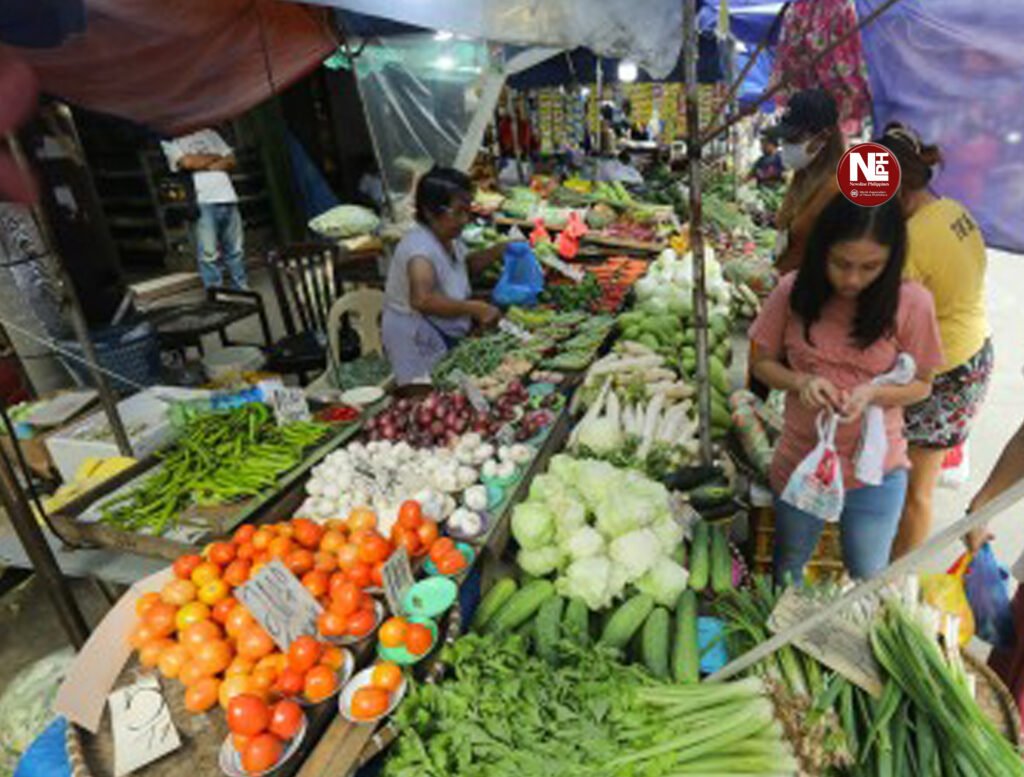
MANILA (October 8) — Consumers felt a little more strain at the checkout counters last month as prices of vegetables and fuel climbed anew, pushing the country’s inflation rate to a six-month high of 1.7 percent in September.
For the second straight month, the Philippine Statistics Authority (PSA) reported a rise in consumer prices, up from 1.5 percent in August. Though still below last year’s 1.9 percent and well within the government’s 2–4 percent target range, the increase reflects how storms and transport costs are again influencing household budgets.
Typhoons send vegetable prices soaring
Vegetables saw the steepest increase, with prices jumping 19.4 percent in September from 10 percent in August—the highest since January.
PSA chief Dennis Mapa said the spike came after floods and continuous rains hit key producing provinces.
“We see that this might continue in the coming months because we’ve had several storms, which could possibly keep our inflation rate elevated,” Mapa warned.
Rice prices remain a mixed bag
The staple that matters most to Filipino households—rice—offered some relief. Regular milled rice sold for ₱40.23 per kilo, down more than 20 percent from last year’s ₱50.47.
Well-milled rice dropped 16.2 percent, while special rice prices were lower by 11.8 percent year-on-year.
But not all rice varieties moved the same way. Regular rice became slightly cheaper compared to August, while special rice rose marginally—an effect observed after the government began its 60-day rice import ban last month.
Fuel price hikes ripple through transport
Transport costs, meanwhile, were another pain point. The sector posted a 1 percent increase after months of decline, largely due to pricier fuel.
Diesel rose 5.1 percent, and gasoline also saw a modest rebound after several rollbacks.
Mapa said higher transport costs could soon spill over to other goods, since fuel affects the movement of most consumer products—from food to delivery services.
Restaurants, services edge higher
Eating out also got slightly more expensive, with restaurant and accommodation prices up 2.5 percent from 2.3 percent in August. Still, the PSA said this sector’s contribution to inflation remains relatively small.
Gov’t vows action to stabilize food prices
Despite the uptick, government officials assured the public that inflation remains manageable.
Economic Planning Secretary Arsenio Balisacan said the September figures highlight the “sensitivity of domestic food prices to supply disruptions,” noting that agencies are working to keep essential goods affordable.
Among the measures: allowing imports of certain vegetables like carrots, onions, and broccoli, and establishing food corridors with storage and post-harvest facilities to protect supply chains during disasters.
“What is critical is a calibrated approach that addresses the needs of both farmers and consumers while supporting the economy’s sustained and inclusive growth,” Balisacan said.
For now, consumers may continue to feel small but steady price increases—especially for vegetables and transport—while the government races to keep food supplies stable amid a season of storms.