Seven Sacks of Trash in a Drinking Water River: Why Dabawenyos Are Being Asked to Rethink Plastics

Date:

Share post:

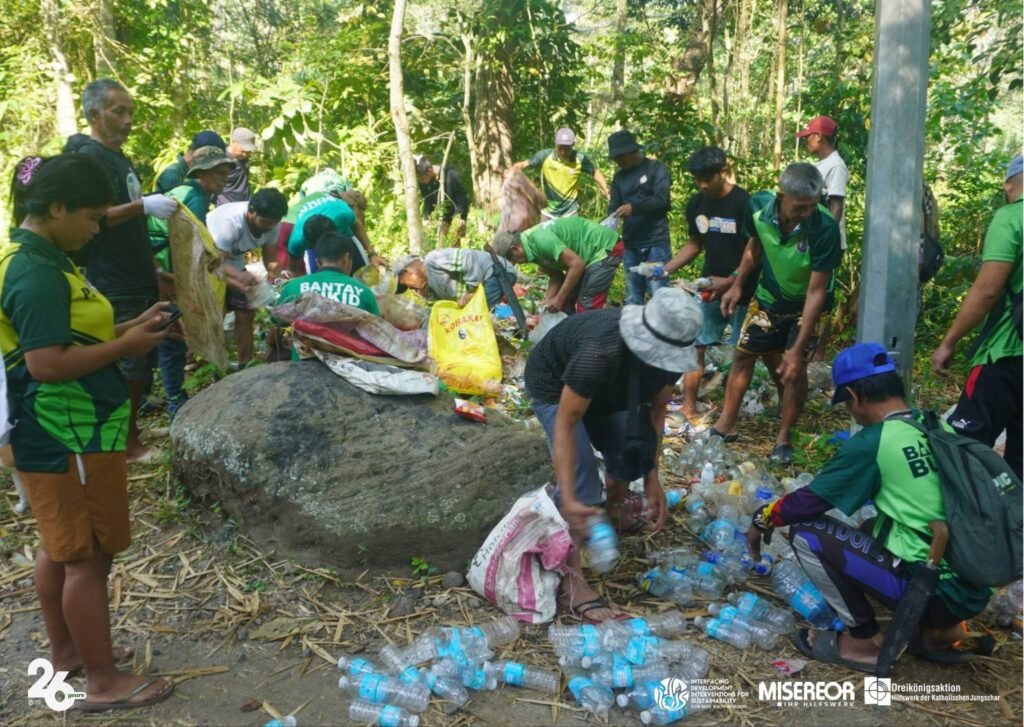
Photo courtesy: IDIS

DAVAO CITY (February 6)  — Seven sacks of trash pulled from the Tamugan River—one of Davao City’s main drinking water sources—have become a stark reminder that plastic waste is no longer just an eyesore, but a direct threat to the health and daily lives of communities downstream.

After a recent river cleanup, a Davao-based environmental group is now pressing city authorities to strictly enforce the ban on single-use plastics and tighten controls on activities inside critical watershed areas, warning that weak enforcement puts both water safety and public trust at risk.

What Volunteers Found in the River

The cleanup, conducted last January in Sitio Bagong by Interfacing Development Interventions for Sustainability (IDIS) and Bantay Bukid volunteers as part of Zero Waste Month, yielded 797 pieces of waste packed into seven sacks.

Most of the trash consisted of PET bottles, snack wrappers, and glass liquor bottles. More alarming, volunteers recovered 11 discarded diapers—classified as infectious waste—which IDIS said pose a serious contamination risk in a river that feeds the Apo Agua bulk water system.

For communities relying on Tamugan water, pollution upstream can translate into higher treatment costs, potential health risks, and growing anxiety over water quality.

Brand Names, Not Just Litter

IDIS’ waste and brand audit showed that branded consumer products dominated the river trash:

  • Coca-Cola PET bottles – 75
  • Silver Swan (NutriAsia) – 62
  • Nature Spring – 60
  • Tanduay Rhum – 34

The group stressed that these findings point to a broader issue of single-use packaging dependence, calling for stronger producer accountability alongside consumer behavior change.

Strong Laws, Uneven Enforcement

Davao City already has ordinances meant to protect its watersheds. City Ordinance No. 0500-21, or the No to Single-Use Plastics Ordinance, bans the sale and distribution of plastic cups, straws, cutlery, condiment containers, and clamshell packaging without special permits.

The Panigan–Tamugan Sub-Watershed Ordinance of 2025 further restricts activities that could damage the watershed supplying much of the city’s potable water.

Yet IDIS said the persistence of banned materials in the river shows that enforcement—especially in recreational and upland areas—remains inconsistent.

Impact Felt Beyond the Riverbanks

For residents downstream, plastic pollution is not an abstract environmental issue. Clogged waterways worsen flooding during heavy rains, while contaminated rivers increase pressure on water treatment systems and raise concerns over long-term public health.

The problem also extends beyond Tamugan. In a previous cleanup along the Davao City Coastal Road, IDIS and volunteers collected 12 sacks of trash, mostly PET bottles and plastic sachets—evidence, the group said, that inland waste eventually reaches the sea.

From Cleanups to Collective Action

IDIS urged both the public and local authorities to move beyond cleanup drives and toward sustained enforcement and accountability.

“Cleanups show the problem,” the group said, “but preventing waste from entering rivers in the first place is what truly protects communities.”

As Davao City balances urban growth, tourism, and environmental protection, advocates warn that safeguarding rivers like Tamugan is essential—not just for ecosystems, but for the everyday health and water security of Dabawenyos.

spot_img

Related articles

Therma South hosts MOHSG sustainability training

DAVAO CITY (March 18) -- Forty of Davao City’s brightest high school leaders gathered at AboitizPower subsidiary Therma...

Aid for NCR, Waiting for Basilan: Fuel Relief Program Exposes Regional Gap

ISABELA CITY, BASILAN (March 18) — As the government rolls out a ₱5,000 fuel subsidy for tricycle drivers...

Rescued, But Not Safe: Illegal Recruitment of Minors Persists in BARMM

Photo: MSSD-BARMM COTABATO CITY (March 18) — The rescue of two minor girls from an attempted illegal recruitment scheme...

‘Bullying Capital’: A Decade After the Law, Why Are Filipino Students Still Unsafe?

MANILA (March 18) — More than a decade after the passage of Republic Act No. 10627, the Philippines...