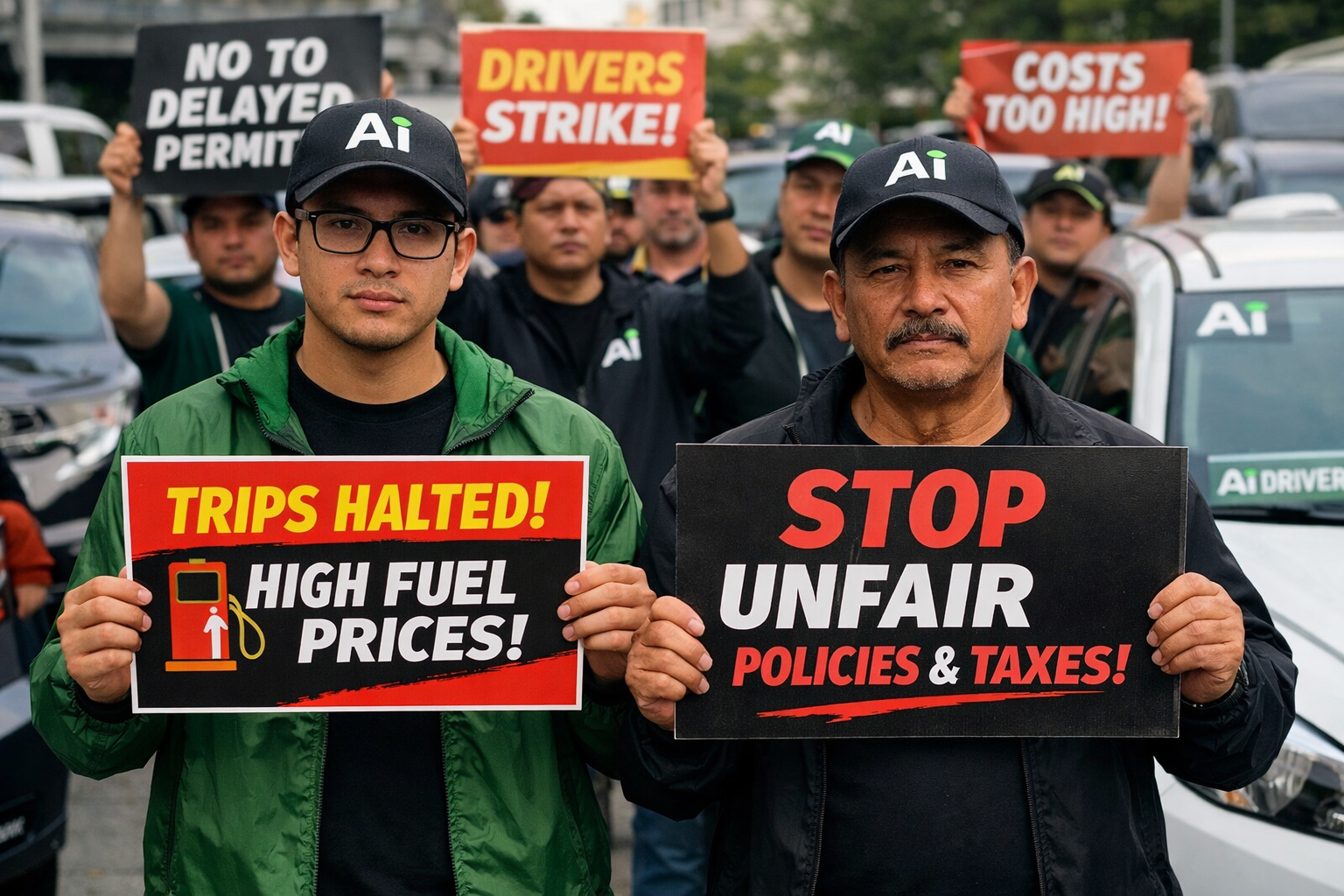
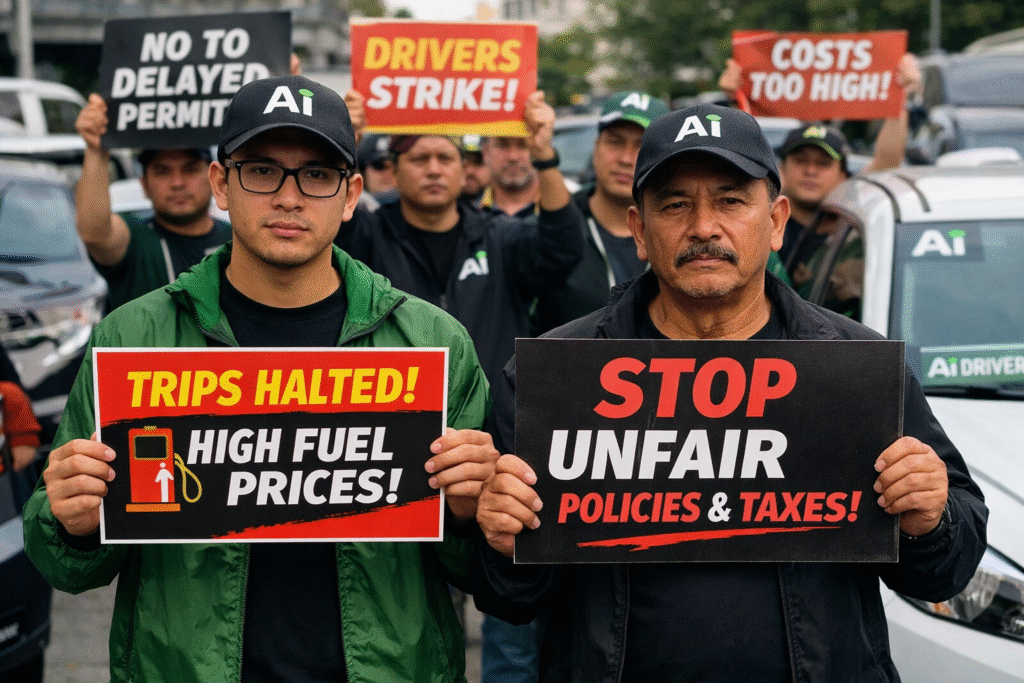
MANILA (April 7) — The decision of jeepney operators to halt trips is not just a labor issue—it is the visible edge of a broader economic shock driven by global oil disruptions, domestic tax policy, and structural imbalances in the Philippines’ transport system.
At least half of the members of the Liga ng Transportasyon at Operators ng Pilipinas (LTOP) have already stopped operating, with more expected to follow as diesel prices surge beyond viable levels.
1. Why fuel prices are spiking
At the center of the crisis is the disruption of global oil supply routes, particularly the Strait of Hormuz—a chokepoint through which a significant portion of the world’s crude oil passes.
Escalating conflict in the Middle East has constricted supply, pushing global oil benchmarks above $100 per barrel. For the Philippines, which imports nearly all of its fuel, this translates directly into higher pump prices.
With another P17–P19 per liter increase expected, diesel could exceed P170 per liter—an unprecedented burden for transport operators.
2. The deregulation trap
Under the country’s oil deregulation framework, fuel prices are not controlled by the government. Instead, they fluctuate with global markets.
Transport fares, however, are regulated.
This creates a structural imbalance:
- When fuel prices rise → operators absorb the cost
- When fuel prices fall → fares rarely adjust downward quickly
Transport leaders argue this asymmetry makes their income highly vulnerable to external shocks.
3. Why tax relief isn’t immediate
To cushion the blow, Ferdinand Marcos Jr. signed Republic Act No. 12316, allowing the suspension of fuel excise taxes once global prices breach a threshold.
But implementation is delayed by legal procedures, meaning relief may only arrive by mid-April.
Even then, the expected P6-per-liter reduction on diesel is marginal compared to current price spikes.
4. Subsidies: too little, too uneven
The government rolled out a P5,000 fuel subsidy, but transport groups say distribution has been inconsistent.
Some operators report that only a fraction of qualified members received aid, highlighting gaps in delivery systems and targeting.
Private interventions—such as fuel cards from Petron Corporation, backed by Ramon Ang—offer temporary relief but are limited in scope.
5. Why operators are stopping
For jeepney drivers, the math is simple:
- Daily boundary (vehicle rent): fixed
- Fuel cost: rising sharply
- Fare: fixed
The result: negative earnings.
As Orlando Marquez of LTOP put it, drivers are essentially paying to work.
This has forced many to stop operations—not as protest, but as survival.
6. Ripple effects on commuters and inflation
The halt in jeepney operations could trigger wider consequences:
- Commuters stranded or forced to take more expensive transport options
- Higher transport costs feeding into prices of goods
- Supply chain disruptions, especially if trucks join the stoppage
- Inflationary pressure, particularly on food and basic commodities