ZAMBOANGA CITY (June 24) — A soldier’s act of compassion has given a vulnerable hornbill another chance to return to the wild.
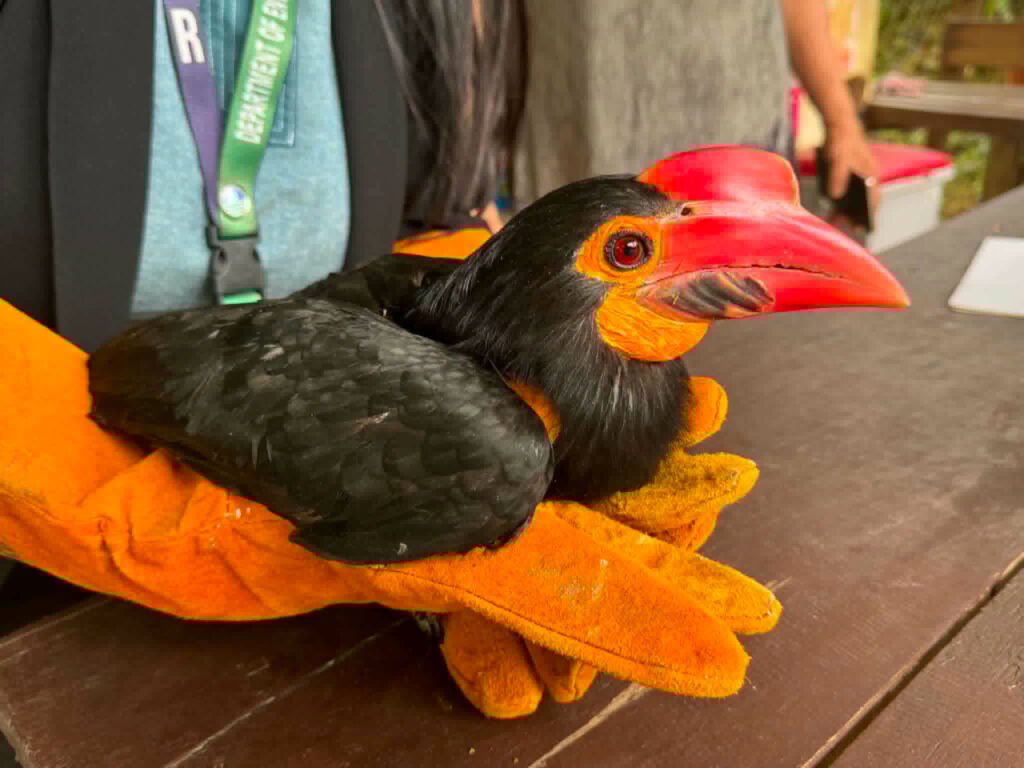
An adult female Writhed Hornbill, one of Mindanao’s threatened bird species, is now under rehabilitation after being rescued by a soldier in Zamboanga del Norte and turned over to environmental authorities for proper care.
The Department of Environment and Natural Resources (DENR)-Zamboanga Peninsula said the bird was placed under rehabilitation at the Community Environment and Natural Resources Office (CENRO) in Liloy on June 22 in preparation for its eventual release into its natural habitat.
The hornbill, also known as the Mindanao Wrinkled Hornbill, was rescued by Sergeant Junelo Bongcawel of the 97th Infantry Battalion after he discovered it in a weakened condition in Barangay Batayan, Kalawit.
Rather than leaving the bird to fend for itself, Bongcawel brought it to his home, where he provided temporary shelter and care while seeking assistance from local authorities and DENR personnel.
Recognizing the importance of protecting wildlife, the soldier coordinated efforts to ensure the bird would receive proper rehabilitation from trained conservation workers.
The turnover was facilitated with the assistance of Barangay Councilor Reymond Dacumos and received by CENRO-Liloy personnel led by Officer-in-Charge Forester Maribel Acama and Development Management Officer III Hector Lusaya.
An initial assessment found the hornbill to be in generally good physical condition. However, DENR personnel observed signs of domestication, indicating that the bird may have spent considerable time around humans. Because of this, it will undergo rehabilitation to help restore behaviors necessary for survival in the wild.
The Writhed Hornbill is classified as a vulnerable species under DENR Administrative Order No. 2019-09, which lists threatened wildlife in the Philippines.
Conservationists consider hornbills among the most important birds in Philippine forests. Often called “farmers of the forest,” they play a critical role in dispersing seeds across large areas, helping regenerate forests and sustain biodiversity.
The rescue serves as a reminder that ordinary citizens, local officials, and frontline personnel can play an important role in wildlife conservation. By reporting and turning over distressed wild animals to authorities instead of keeping them as pets, communities help protect species that are increasingly threatened by habitat loss, hunting, and illegal wildlife trade.
For one vulnerable hornbill, a simple act of kindness may soon mean a return to the forests where it belongs.