MISAMIS OCCIDENTAL(February 3) — South Korean investors are exploring Misamis Occidental as a potential tourism and agribusiness hub, a move provincial officials say could generate hundreds of jobs while expanding incentives and market access for local farmers across multiple municipalities.
The investment mission, conducted on January 23, forms part of the province’s “Asenso” development agenda, which prioritizes employment creation and agricultural value addition as pillars of inclusive growth.
Governor Henry S. Oaminal said the province is positioning itself to attract foreign investments that deliver direct benefits to both workers and rural producers.
“Our focus is on projects that create jobs and raise farm incomes, especially in areas where opportunities are limited,” Oaminal said.
Based on initial assessments by provincial planners, proposed tourism developments—including the Asenso Global Gardens and the Asenso Misamis Occidental Recreation and Adventure Park (AMORAP)—could generate 300 to 500 construction jobs provincewide, with 200 to 300 permanent positions once operational.
Officials said municipalities along the tourism corridor are expected to see the most immediate employment gains. Sapang Dalaga and nearby upland communities could benefit from site operations and eco-tourism services, while coastal barangays hosting the Caluya Floating Cottages may see job growth in boat operations, food services, and homestay support. Oroquieta City, as a logistics and services hub, is projected to absorb administrative, transport, and supply-chain related employment.
Investor Yejee Yoon of Kyung In REITs Corporation said long-standing security concerns about Mindanao tend to diminish once investors engage directly with communities.
“We often hear that Mindanao is dangerous,” Yoon said. “But once we experience Misamis Occidental firsthand, we see stability and strong cooperation at the local level.”
Beyond tourism, the mission placed strong emphasis on agribusiness. Site visits to cacao farms in Jimenez and coffee plantations in Don Victoriano Chiongbian identified opportunities for value-added processing and contract-growing arrangements.
Provincial officials estimate that small-to-medium agri-processing facilities could generate 150 to 250 jobs, with Jimenez likely benefiting from cacao fermentation and drying operations, while Don Victoriano could see employment growth tied to coffee processing, quality control, and logistics.
For farmers, local processing could mean better prices and more predictable buyers.
“If processing facilities are built here, farmers won’t be forced to sell at very low prices just to move their harvest,” said a cacao farmer from Jimenez, who requested anonymity for safety reasons. “It gives us more bargaining power and steadier income.”
Provincial leaders said incentives under local investment codes and PEZA-linked frameworks are being explored to encourage firms to source raw materials directly from Misamis Occidental growers, reducing reliance on outside traders and strengthening local value chains.
Governor Oaminal, along with Mayor Sam Norman Fuentes and other local officials, welcomed the delegation and expressed optimism that the visit would translate into formal partnerships benefiting both urban workers and rural communities.
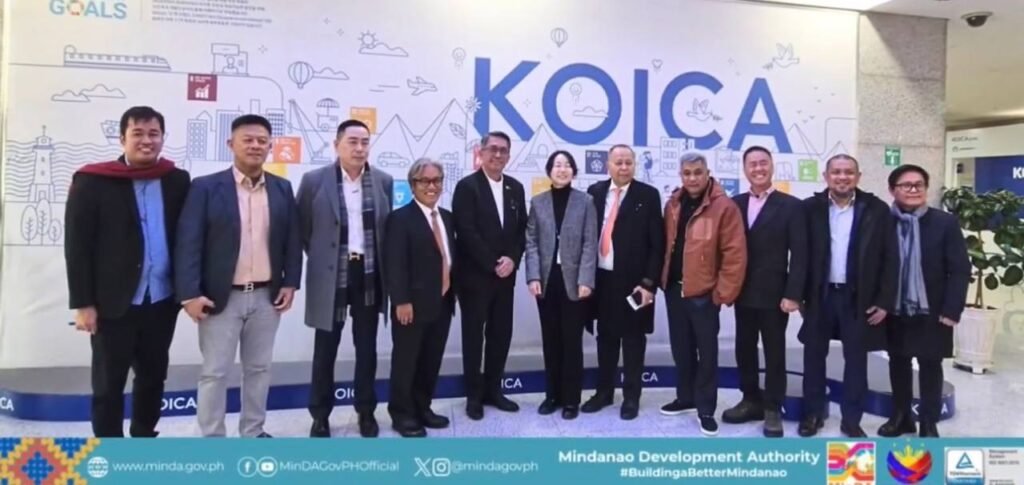
The visiting technical panel included PEZA and MinDA Special Adviser Charlie Wee Yongho, Seongsu Kim of Kyung In REITs Corporation, and 4M Media Entertainment Group Chief Producer Tony Mu Lee, whose combined expertise is expected to help align infrastructure development, agri-processing, and tourism promotion with international standards—while keeping job creation and farmer participation at the center of future investments.