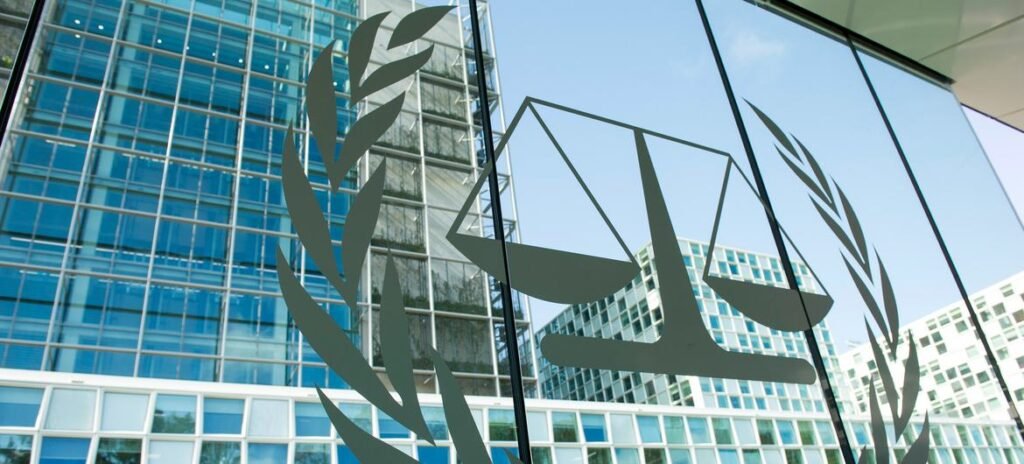
MANILA(July 16) — The United Nations has reaffirmed the International Criminal Court’s (ICC) role as a cornerstone of the global justice system, emphasizing the tribunal’s importance in holding perpetrators of the world’s gravest crimes accountable despite renewed efforts by the United States to weaken its authority.
UN spokesperson Stéphane Dujarric described the ICC as an indispensable institution in the international justice framework, stressing that it continues to enjoy the support of a large number of UN member states.
“While the ICC is an organization that is separate from the Secretariat and the UN, it remains for us a critical cog in the international justice system,” Dujarric said.
“It is supported by a vast number of member states, and it helps bring accountability for serious crimes,” he added.
The statement came after US Secretary of State Marco Rubio announced what he described as a “whole-of-government” effort to “systematically disable” the tribunal’s operations, accusing the Hague-based court of using international law to target the United States and its allies.
Established under the Rome Statute, adopted in 1998 and enforced in 2002, the ICC investigates and prosecutes individuals accused of genocide, war crimes, crimes against humanity, and the crime of aggression when national courts are unable or unwilling to do so.
Philippines maintains legal cooperation
Although the Philippines withdrew from the Rome Statute in 2018 under the administration of former President Rodrigo Duterte, the Marcos administration has maintained that it can still cooperate with the ICC under domestic law.
Palace Press Officer Claire Castro said the government respects the decision of the Trump administration to oppose the tribunal but stressed that Philippine authorities are simply complying with existing laws.
“For now, we can’t say anything as we are merely complying with what is stated in our law,” Castro said.
Government officials have repeatedly cited Republic Act No. 9851, or the Philippine Act on Crimes Against International Humanitarian Law, Genocide and Other Crimes Against Humanity, as the legal basis for honoring requests from international tribunals, including the enforcement of ICC arrest warrants through surrender or extradition.
The issue remains politically significant following the arrest of former President Duterte in March 2025. He is currently detained in The Hague while awaiting trial before the ICC on charges of crimes against humanity linked to his administration’s anti-illegal drugs campaign.
The ICC also unsealed an arrest warrant in May against Senator Ronald dela Rosa, a former Philippine National Police chief who played a central role in implementing the drug war.
Castro previously said Philippine law enforcement authorities would enforce future ICC arrest warrants against other alleged co-perpetrators if required under existing legal procedures.
No plans to return to the ICC
Despite continuing cooperation in specific cases under Philippine law, Malacañang has reiterated that the Marcos administration has no plans to seek the country’s reentry into the Rome Statute.
Meanwhile, the United States said it is considering additional measures, including urging countries that cooperate with US military and law enforcement agencies to reject what Washington described as the ICC’s asserted jurisdiction over American officials and service members.
The UN, however, maintained that the tribunal remains an essential institution for ensuring accountability for serious international crimes—a role that continues to be recognized by much of the international community.