
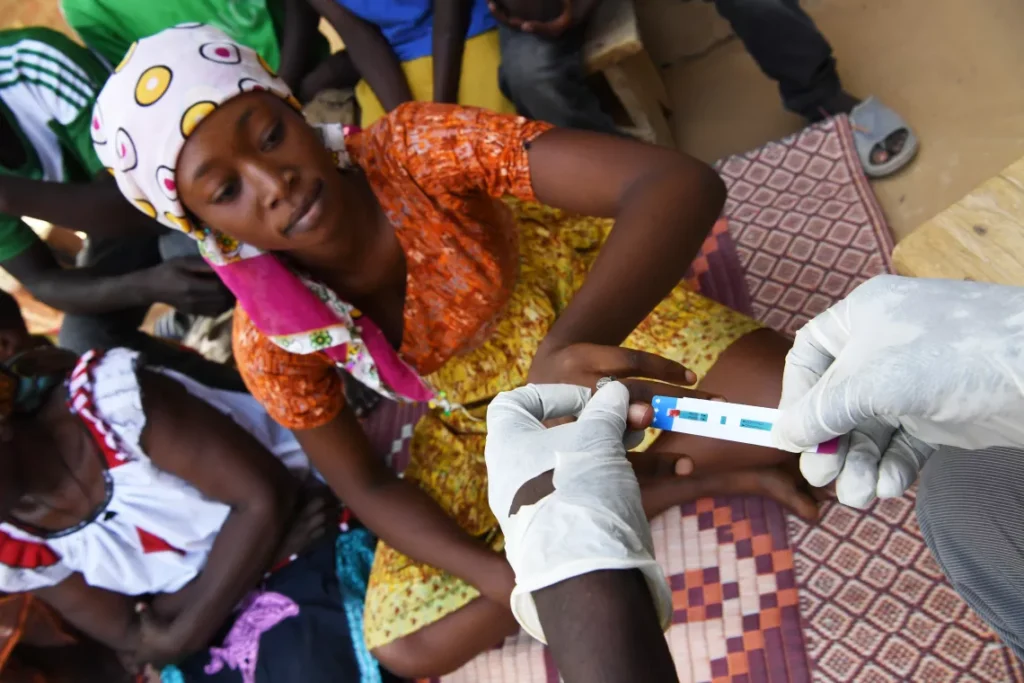
DAVAO CITY (June 3) -The United Nations Children’s Fund (UNICEF) has sounded a global alarm over the escalating rates of HIV infections among adolescent girls and young women, emphasizing the urgent need for comprehensive education and prevention strategies to address this growing public health concern.
UNICEF found out that in 2023, approximately 96,000 girls aged 15–19 were newly infected with HIV, accounting for seven out of ten new adolescent infections globally.
In sub-Saharan Africa, nine out of ten new HIV infections among adolescents aged 15–19 were among girls, highlighting a significant gender disparity in infection rates.
Adolescent girls and young women (aged 15–24) represent a disproportionately high number of new HIV infections, with 77% of new infections in this age group occurring in sub-Saharan Africa.
Underlying Factors:
- UNICEF attributes the high infection rates among adolescent girls to several interrelated factors:
- Gender Inequality: Societal norms and gender-based power imbalances often limit girls’ ability to negotiate safe sex practices and access healthcare services.
- Lack of Comprehensive Sexual Education: Many adolescents lack access to accurate information about HIV prevention, leading to misconceptions and risky behaviors.
- Limited Access to Healthcare Services: Structural barriers, including poverty and geographic isolation, hinder access to HIV testing and treatment services.
- Stigma and Discrimination: Fear of social ostracization discourages many young people from seeking information, testing, or treatment for HIV.
UNICEF emphasizes the critical need for:
- Comprehensive Sexual Education: Implementing age-appropriate, culturally sensitive education programs to equip adolescents with the knowledge and skills to protect themselves.
- Youth-Friendly Healthcare Services: Ensuring that healthcare facilities are accessible, confidential, and welcoming to young people seeking HIV-related services.
- Community Engagement: Involving community leaders, parents, and youth in dialogues to challenge harmful norms and promote supportive environments.
- Policy and Funding Support: Governments and stakeholders must prioritize funding and policies that address the unique needs of adolescent girls in HIV prevention efforts.