DAVAO CITY(June 25) — Sixteen days after a magnitude 7.8 earthquake struck southern Mindanao, some communities in Jose Abad Santos, Davao Occidental are still waiting for basic relief to arrive.
The disaster has left a trail of destruction across the municipality: seven dead, 40 injured, 13 missing, and more than 22,500 families affected. Thousands remain displaced as damaged roads and disrupted communications continue to isolate remote villages from aid and services.
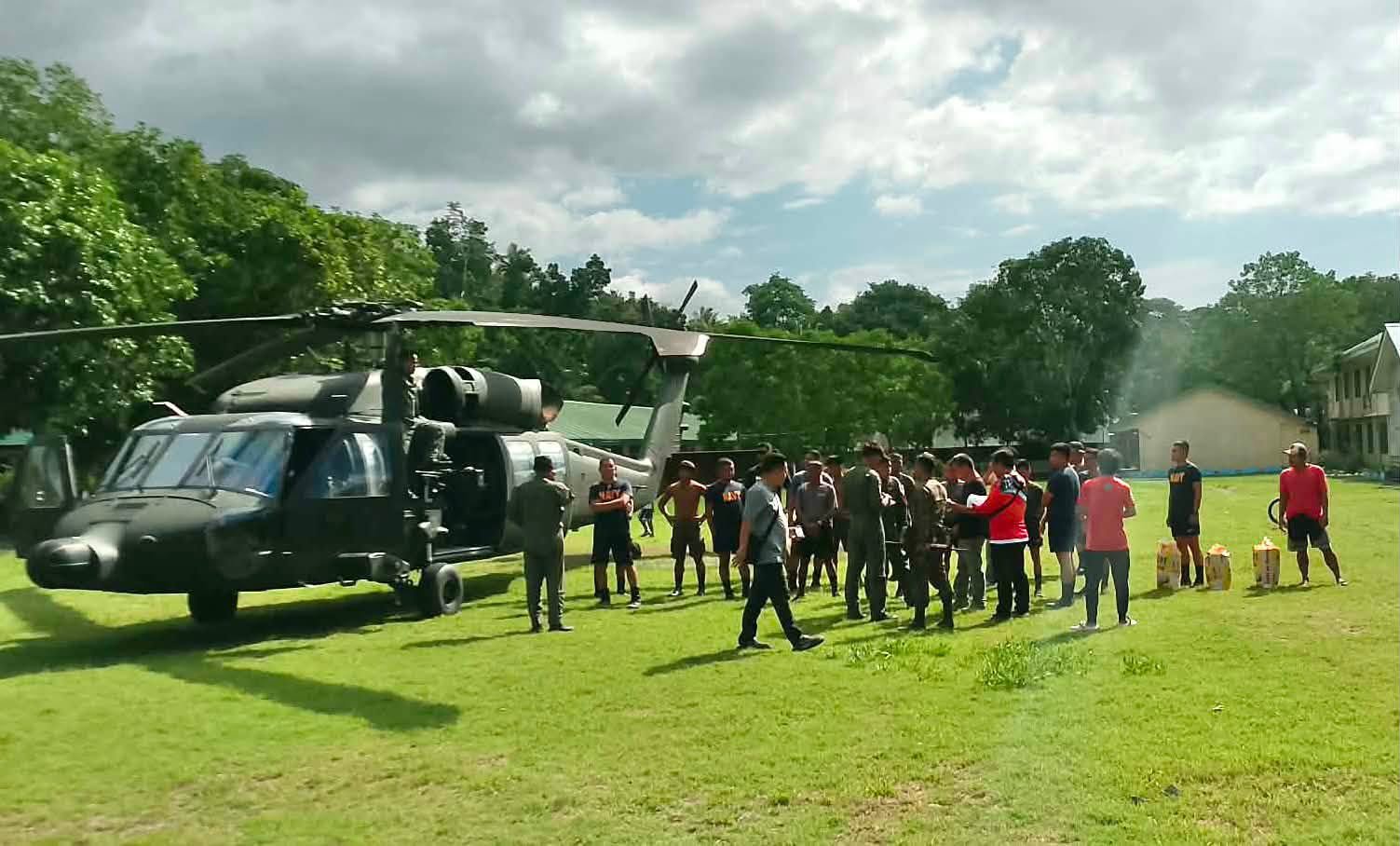
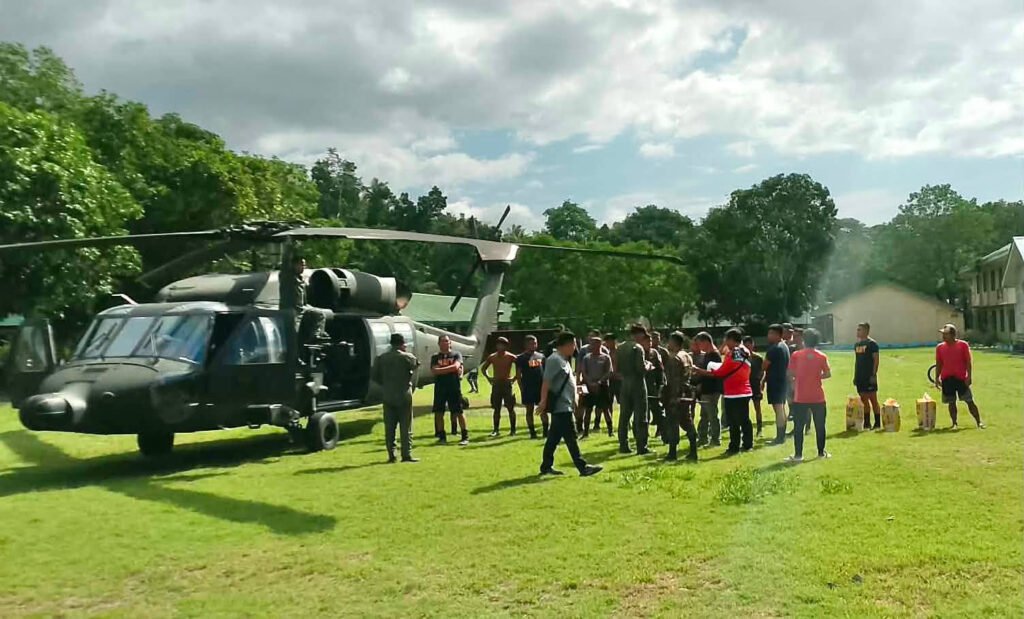
Now, local officials are seeking helicopter support to deliver food supplies to far-flung communities in San Isidro, Quiapo, Molmol, and upland sitios of Kalbay—an extraordinary measure that reveals how difficult it remains to reach some of the country’s most vulnerable populations even two weeks after a major disaster.
If approved, the airlift operation will bring over 21 metric tons of relief goods to affected families.
But the request also raises a difficult question: Why are thousands of people still beyond the easy reach of emergency assistance more than two weeks after the earthquake?
When Disaster Hits, Isolation Becomes a Crisis
Natural hazards become humanitarian disasters when communities are cut off from help.
In Jose Abad Santos, damaged roads and poor telecommunications turned entire villages into isolated pockets of survivors. Families needing food, medicine, and shelter were forced to wait while responders struggled to assess conditions and transport aid.
For residents of geographically isolated and disadvantaged areas (GIDAs), the earthquake exposed a reality they have long lived with: distance can be as dangerous as the disaster itself.
Preparedness is often measured by the number of evacuation centers, rescue equipment, and relief supplies. Yet disasters repeatedly reveal another critical measure—the ability to quickly reach people when roads collapse, power fails, and communication networks go silent.
When access depends on helicopters weeks after an earthquake, it signals not only the severity of the disaster but also the limitations of existing emergency systems.
The Hidden Social Cost
The damage extends far beyond collapsed houses.
More than 6,700 homes were either destroyed or damaged. Schools, health facilities, barangay halls, and community centers suffered significant impacts, disrupting education, healthcare, governance, and social services.
Behind every damaged structure is a family whose routines, income, and sense of security have been disrupted.
Children lose access to classrooms. Patients travel farther for healthcare. Parents worry about where they will live when temporary shelters close. Communities already facing poverty become even more vulnerable as livelihoods are interrupted and recovery costs mount.
These are the social costs of disaster that rarely appear in casualty reports but can linger long after emergency operations end.
Lessons That Cannot Wait
The earthquake also exposed long-standing vulnerabilities in public infrastructure.
In neighboring Glan, Sarangani, the municipal hall that had already been damaged by an earlier earthquake in 2023 reportedly collapsed during the June 8 tremor despite ongoing repairs. The incident reflects a broader challenge faced by many local governments: rebuilding stronger often competes with limited resources, aging infrastructure, and recurring disasters.
Climate-related hazards, earthquakes, and other emergencies are no longer rare events. They are recurring realities. Yet many communities remain dependent on emergency improvisation when disasters strike.
The challenge is not only rebuilding what was lost but investing in systems that reduce vulnerability before the next catastrophe arrives—stronger infrastructure, reliable communications, resilient transport networks, and disaster plans that account for the realities of remote communities.
More Than Relief Goods
As Jose Abad Santos waits for approval of the helicopter mission, the immediate priority remains getting food and essential supplies to families who need them most.
But recovery should not end with relief distribution.
The earthquake exposed a gap that many disasters in the Philippines continue to reveal: communities are often hardest hit not only by the force of nature but by the fragility of the systems meant to protect them.
For residents still waiting in evacuation centers and isolated villages, the question is no longer simply how to survive this disaster.
It is whether the lessons from this tragedy will lead to stronger preparedness before the next one arrives.