DAVAO CITY (February 25) — After three years, Japanese warships are back in Davao waters — and their arrival signals more than a ceremonial port call.
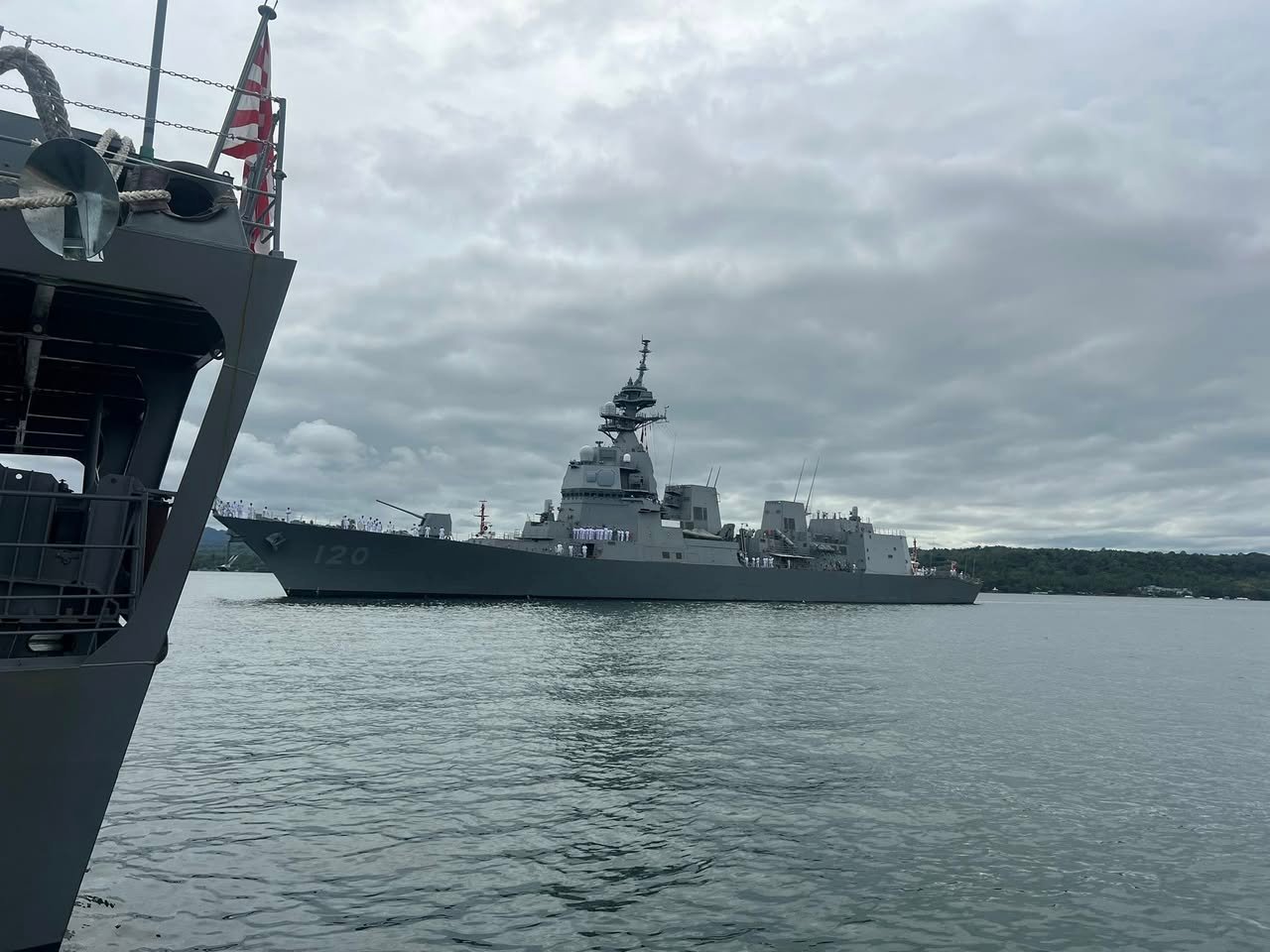
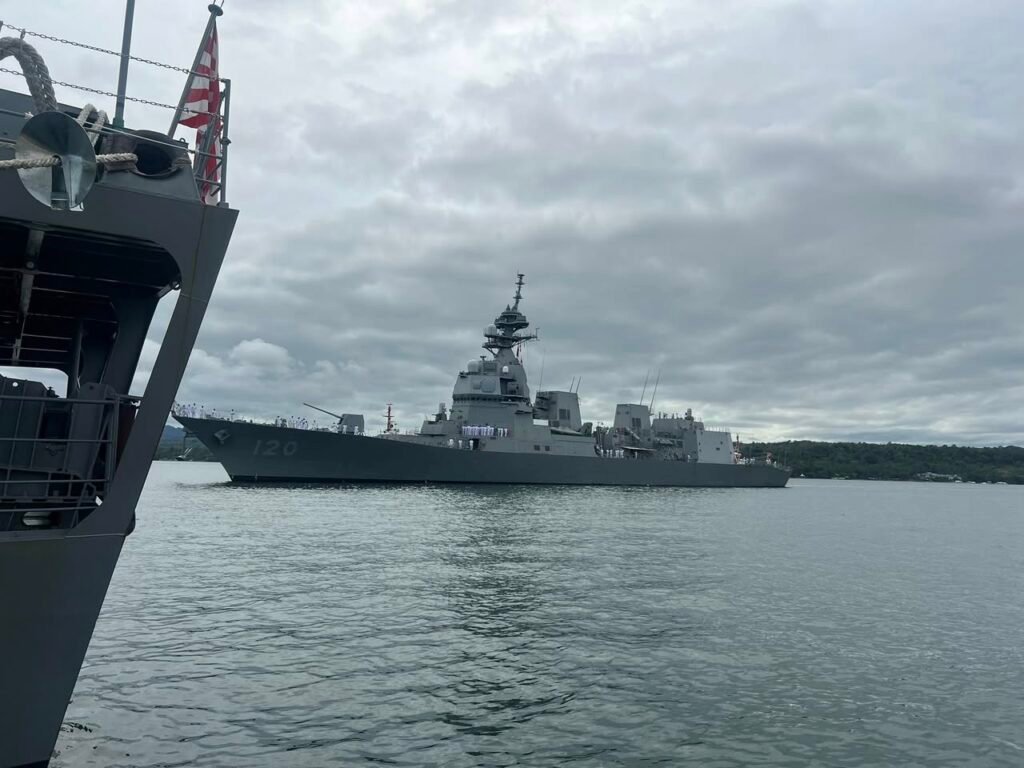
On the morning of Feb. 23, two destroyers from the Japan Maritime Self-Defense Force (JMSDF) — JS Yamagiri (TV-3515) and JS Shiranui (DD-120) — sailed into Davao Gulf for a four-day visit focused on training, diplomacy and regional security cooperation.
Their entry was met with a coordinated welcome from the Philippine Navy, including the Jacinto-class patrol vessel BRP Artemio Ricarte and a fixed-wing aircraft — a visible symbol of growing defense engagement between Manila and Tokyo.
Training at sea, diplomacy on shore
The port call forms part of Japan’s 2026 Overseas Training Cruise, running from Feb. 13 to April 1, involving 380 personnel. The deployment is designed to sharpen the operational skills of junior officers while giving them international exposure.
For Capt. Nose Takashi, commander of Training Division One and head of the visiting delegation, the visit carries both strategic and human dimensions.
“This voyage provides our young officers with essential training and a viable opportunity to deepen friendship with the people of the Philippines,” he said. “We hope our visit further strengthens the close ties between our nations.”
JS Yamagiri, an Asagiri-class destroyer, now serves primarily as a training vessel. JS Shiranui, an Asahi-class destroyer, specializes in anti-submarine warfare — underscoring the professional and operational scope of the cruise.
A shared history in Mintal
Beyond maritime drills and courtesy calls, the Japanese officers also made a meaningful stop on land.
On Feb. 24, members of the delegation visited the historic Mintal Japanese Cemetery in Davao, offering flowers at the pre-war burial ground of Japanese settlers. The quiet ceremony highlighted Davao’s long-standing cultural and historical ties with Japan — ties that predate modern diplomatic and defense relations.
Part of a broader regional picture
The return of Japanese naval vessels to Davao comes as the Philippines and Japan continue expanding maritime cooperation in the Indo-Pacific, including joint exercises, capacity-building efforts, and increased naval exchanges.
For Davaoeños, the sight of foreign warships docked at Sasa Port may be rare, but it reflects a broader shift in regional partnerships — one that blends security cooperation with people-to-people diplomacy.
As the four-day visit unfolds, the warships’ presence in Davao Gulf serves as a reminder that the city is not only a gateway to Mindanao, but also a growing node in regional maritime engagement.