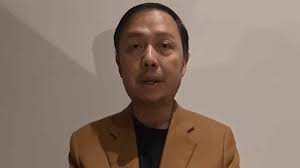
MANILA (March 11) — The Philippine government is now relying on international cooperation to bring home former lawmaker Zaldy Co, who is believed to be in Portugal amid allegations linking him to anomalous flood control projects.
President Ferdinand Marcos Jr. said authorities are coordinating with Portuguese officials to facilitate Co’s possible return to the Philippines, stressing that local law enforcement cannot carry out arrests outside the country’s jurisdiction.
“You cannot bring him home because that is not the way it works,” Marcos told reporters before departing New York on Tuesday. “We have to ask the assistance of the country where he is in, which is presently Portugal.”
The president explained that Philippine authorities must rely on legal mechanisms such as international arrest requests and cooperation with foreign governments.
The government has already requested a Red Notice from Interpol, which alerts law enforcement agencies worldwide to locate and provisionally arrest a person pending extradition or similar legal proceedings.
A Red Notice is issued based on a court warrant or judicial order from the requesting country and serves as a tool for international police coordination.
Co is among the individuals allegedly involved in questionable flood control projects that have drawn scrutiny from investigators and lawmakers.
Authorities believe he may have been able to remain abroad after obtaining a Portuguese passport years ago, even after his Philippine passport was cancelled.
If located, Co’s return to the Philippines would depend on Portugal’s legal process, which may include verification of the Red Notice and potential extradition procedures under international law.
The case has drawn attention amid broader concerns over corruption in public infrastructure projects, particularly flood control systems that receive billions of pesos in government funding each year.
For critics of government spending practices, the effort to locate and bring back Co is seen as a test of how far authorities are willing to pursue accountability in alleged anomalies involving large public works projects.