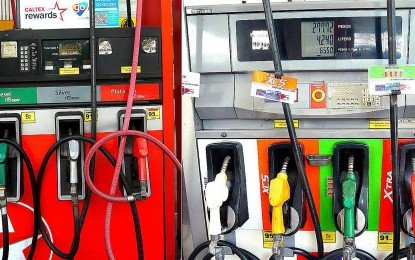
MANILA (March 12) — Lawmakers are moving to hand Ferdinand Marcos Jr. temporary powers to suspend or reduce fuel excise taxes as global oil prices rise, a proposal supporters say could ease pressure on Filipino households but critics warn may not translate to cheaper pump prices.
The House of Representatives of the Philippines on Wednesday approved on second reading House Bill No. 8418, a measure that would allow the President to slash or suspend excise taxes on petroleum products during periods of severe price shocks or national emergencies.
The proposal—authored by Sandro Marcos and Speaker Faustino Dy III—seeks to amend provisions of the National Internal Revenue Code of the Philippines to give Malacañang faster tools to respond when global fuel prices spike.
Supporters say the measure is meant to shield consumers from sudden surges in transportation, electricity, and food costs that typically follow oil price hikes.
“This bill gives the President a measured tool to cushion that shock,” Sandro Marcos said, stressing that the authority would only be used when clearly defined conditions are met.
Triggers tied to global oil prices
The measure sets strict economic triggers before the President can act.
One trigger would be when Dubai crude oil prices—based on the Mean of Platts Singapore—reach $80 per barrel or higher for at least one month. Another would apply when a declared national emergency or calamity leads to extraordinary increases in local pump prices, as certified by the Department of Energy.
If those conditions are met, the President could order a partial or full suspension of fuel excise taxes for up to six months, subject to oversight and possible extension or termination by Congress.
The relief would automatically end once market conditions stabilize.
Marikina Rep. Miro Quimbo, chair of the House ways and means committee, said safeguards were built into the proposal to prevent abuse and protect government finances.
Senate preparing similar measure
At the Senate of the Philippines, lawmakers are consolidating several proposals seeking similar tax relief.
Sen. Pia Cayetano said the Senate committee on ways and means is working on a unified bill that could be sponsored in plenary once the House transmits its version.
But lawmakers in the chamber are still debating the exact economic indicators that should trigger and end the tax suspension.
Fiscal trade-offs loom
Even as economic managers expressed support for the measure, the Department of Finance (Philippines) warned that suspending fuel excise taxes could leave a large hole in government revenues.
Finance Undersecretary Karlo Adriano told senators the government could lose around P136 billion in revenue—including value-added tax collections—if the tax suspension runs from May to December.
Sen. Sherwin Gatchalian said that since the national budget for 2026 is already programmed, the government may have to borrow more or cut spending to compensate.
Budget officials also raised the possibility that the President may need to freeze or impound unobligated funds from agencies if the revenue gap widens.
Protesters question real relief
Outside the House complex, members of the Alliance of Concerned Teachers staged a protest, arguing that tax cuts alone will not guarantee lower fuel prices for consumers.
ACT chairperson Ruby Bernardo said global oil speculation and the country’s deregulated oil industry mean companies could still raise prices even if taxes are reduced.
“The ones who suffer are ordinary citizens—including teachers—who continue to pay for a crisis they did not create,” she said.
Economist Emmanuel Leyco warned that prolonged geopolitical tensions in the Middle East could push Philippine inflation as high as 7 percent, a scenario flagged by the Department of Economy, Planning and Development.
For many households already struggling with high food and transport costs, the debate now centers on whether cutting fuel taxes will deliver immediate relief—or simply shift the burden elsewhere in the economy.