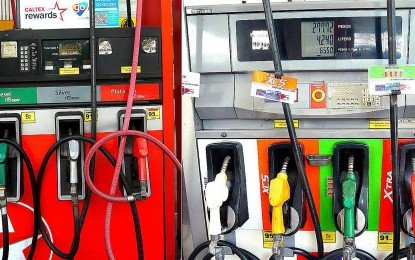
SURIGAO CITY(March 14) -– The surge in fuel prices is beginning to ripple through the tourism-dependent islands of the Caraga Region, forcing shipping operators to cut trips, slow vessel speeds, and raise fares—moves that threaten to squeeze local economies reliant on a steady flow of visitors.
Tourism officials warn that the rising cost of transport could dampen travel demand to island destinations such as Siargao Island and the Dinagat Islands, where tourism supports thousands of livelihoods in hotels, restaurants, boat services, and small businesses.
“The increase in fuel costs starting March 2026 is expected to have a significant impact on maritime and air transportation operations in Caraga and across the country,” Ivonnie Dumadag, regional director of the Department of Tourism in the region, said in a statement.
Several shipping operators serving the key route between Surigao City and Siargao Island have already begun adjusting operations this week as fuel costs climb.
Some vessels are reducing sailing speed to conserve fuel, while others have raised ticket prices or canceled trips altogether—developments that tourism stakeholders say could discourage budget travelers and cut short visitor stays.
Among the affected operators is Evaristo and Sons Sea Transport Corp., which announced a temporary reduction in its scheduled trips to Siargao due to rising fuel costs.
Beginning Friday, the company will operate only three morning departures from Surigao City to Dapa, Siargao Island: two fast craft trips at 7:20 a.m. and 10 a.m., and a roll-on/roll-off (Ro-Ro) cargo vessel at 10:30 a.m. Afternoon fast craft trips from Dapa back to Surigao City have been suspended.
Morning return trips from Dapa to Surigao City will continue at 6 a.m. and 11:30 a.m., along with a Ro-Ro trip scheduled at 4 p.m.
Ro-Ro passenger services between Surigao City and Magsaysay, Dinagat Islands remain scheduled at 4:30 a.m. and 11 a.m., with return trips from the Dinagat Islands at 8 a.m. and 3 p.m., although smaller passenger vessels operating between nearby islands have already implemented fare increases.
For island communities whose economies depend heavily on tourism, even minor changes in transport schedules can quickly translate into lost income.
Hotels, surf camps, restaurants, and tour operators in Siargao Island rely on the daily flow of visitors arriving through the Surigao gateway. Reduced sailings or higher travel costs could lead to fewer tourists, particularly among domestic travelers sensitive to rising expenses.
Tourism officials say that if fuel prices continue to climb, the effects could cascade across the regional economy—from transport operators to small businesses and workers whose livelihoods depend on visitor spending.
“Since island destinations in the region rely heavily on sea transport for tourism access, sustained increases in operational costs could directly affect tourist mobility, destination competitiveness, and the overall performance of the tourism sector in Caraga,” Dumadag said.