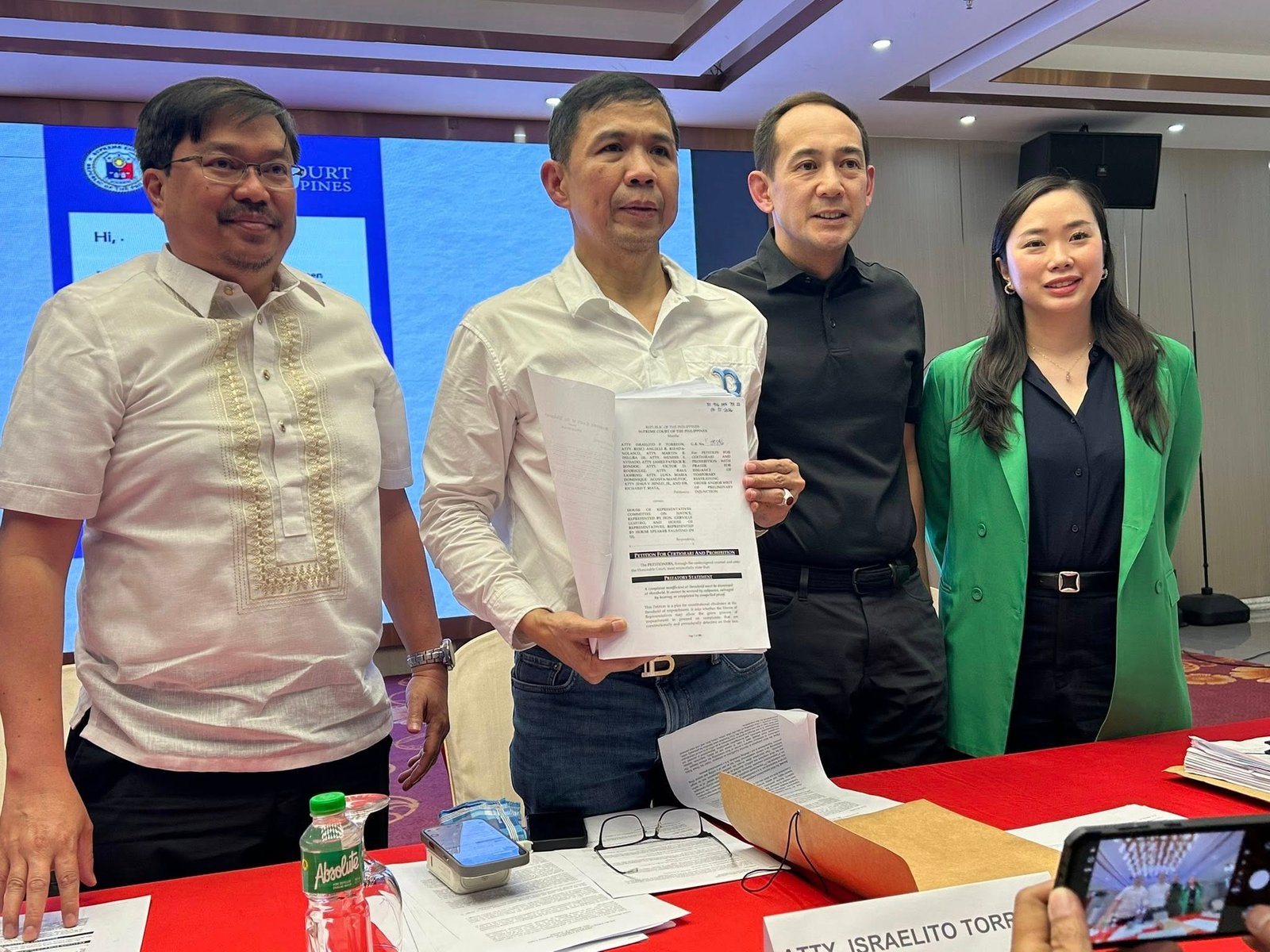
MANILA(March 29) — A petition before the Supreme Court of the Philippines is reframing the impeachment battle against Sara Duterte into a deeper constitutional question: how far can Congress go in holding top officials accountable without overstepping its bounds?
Lawyers aligned with Duterte are asking the high court to stop the House justice committee’s proceedings, arguing that what should be a preliminary screening has turned into an aggressive evidence hunt—complete with sweeping subpoenas on financial records, tax filings, and documents beyond the scope of the complaints.
For them, it is not accountability—it is overreach.
But for the House, the same actions can be framed as necessary scrutiny.
At the heart of the clash is a tension embedded in the impeachment process itself: accountability requires investigation, yet the Constitution sets limits on when and how that investigation should happen.
Petitioners insist the House crossed that line when it ordered disclosures of Duterte’s SALNs, long-range tax records, and third-party corporate documents—moves they say amount to “building a case” rather than assessing one.
They have named committee chair Gerville Luistro and Speaker Ferdinand Martin Romualdez in their bid to secure a temporary restraining order.
Yet even within Congress, the definition of accountability is being contested. Cagayan de Oro Rep. Rufus Rodriguez has cautioned that the breadth of subpoenas risks turning oversight into a “fishing expedition.”
The House, however, is navigating its own pressures.
With allegations ranging from financial disclosures to controversial public statements involving Ferdinand Marcos Jr., lawmakers face expectations to thoroughly vet complaints—especially in a political climate where public trust hinges on transparency.
This leaves the Supreme Court with a delicate balancing act.
A ruling in favor of Duterte’s camp could narrow Congress’ investigative reach, reinforcing procedural safeguards but potentially weakening the rigor of impeachment inquiries.
A ruling against them could legitimize broader evidence-gathering powers—strengthening oversight, but raising concerns about due process and political weaponization.
In either case, the outcome will shape how accountability is defined at the highest levels of government.
For now, the impeachment fight is no longer just about the vice president.
It is about the rules of accountability itself—who enforces them, how far they can go, and where the Constitution draws the line.