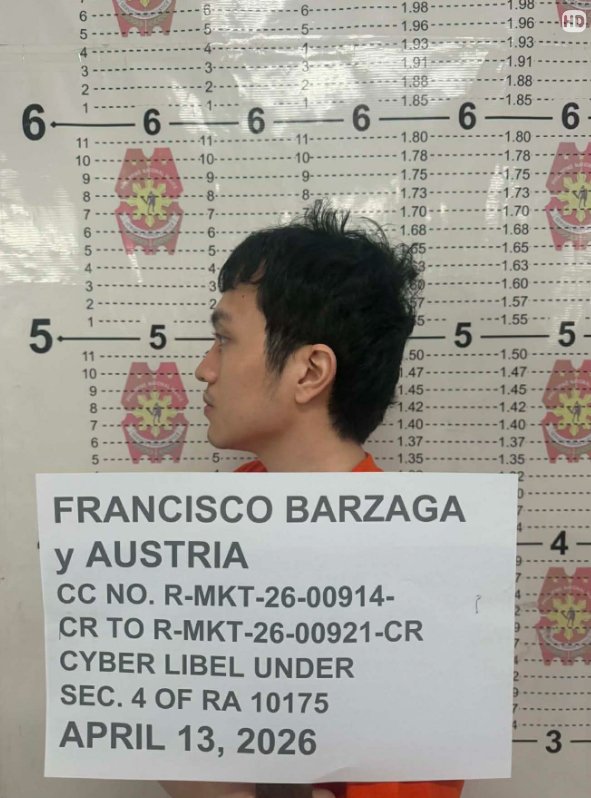
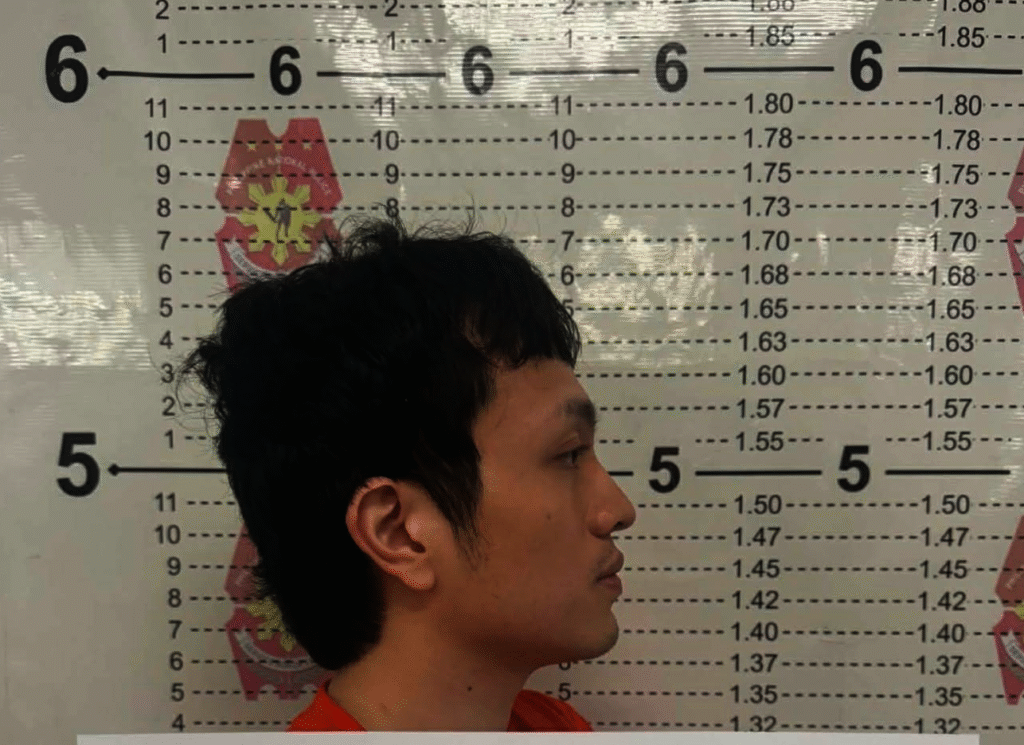
DASMARIÑAS CITY, Cavite — (April 13) – A sitting lawmaker from Cavite voluntarily surrendered to authorities Monday evening following the issuance of arrest warrants for multiple counts of cyberlibel, raising fresh questions about accountability and the use of digital platforms by public officials.
Francisco Austria Barzaga, also known as “Kiko,” turned himself in at the Dasmariñas Component City Police Station at approximately 6:59 p.m., accompanied by legal counsel.
Barzaga, 27, currently serves as the representative of the 4th District of Cavite. According to police reports, he is facing eight counts of cyberlibel under Republic Act No. 10175.
The warrants were issued on April 13, 2026 by Karla Regina D. Valera-Chua, presiding judge of Branch 147 of the Regional Trial Court in Makati City. The cases are docketed under Criminal Case Numbers R-MKT-26-00914-CR to R-MKT-26-00921-CR.
The court recommended bail at ₱48,000 per count, amounting to a total of ₱384,000 for all eight charges.
Police confirmed that Barzaga is now under the custody of the Dasmariñas police for proper legal disposition. Authorities said the lawmaker was informed of his constitutional rights upon surrender, and the process was documented using body-worn cameras and alternative recording devices in compliance with operational protocols.
While details of the alleged defamatory statements have yet to be publicly disclosed, cyberlibel cases under RA 10175 typically involve online posts, statements, or publications that allegedly damage a person’s reputation.
Legal analysts note that cyberlibel carries heavier penalties than traditional libel under the Revised Penal Code due to its wider reach and permanence on digital platforms. Each count is treated as a separate offense, which explains the multiple charges filed against the lawmaker.
The case is particularly significant given Barzaga’s position as a public official, where speech—especially on social media—can carry both political weight and legal consequences.
The voluntary surrender may be seen as a strategic legal move, potentially signaling cooperation with authorities while preparing for court proceedings. However, the case could have broader implications:
• Public trust: Allegations involving misuse of digital platforms may affect the credibility of elected officials.
• Legal precedent: Multiple cyberlibel counts against a sitting congressman could shape future cases involving online speech and political discourse.
• Accountability in the digital age: The case underscores the increasing scrutiny on how public figures use social media.
As of this writing, Barzaga’s camp has yet to release an official statement regarding the charges.
The court is expected to proceed with arraignment and pre-trial in the coming weeks. Should Barzaga post bail, he may be temporarily released while the case is pending.
Authorities have not disclosed whether additional complaints or related cases may be filed.-Editha Z Caduaya