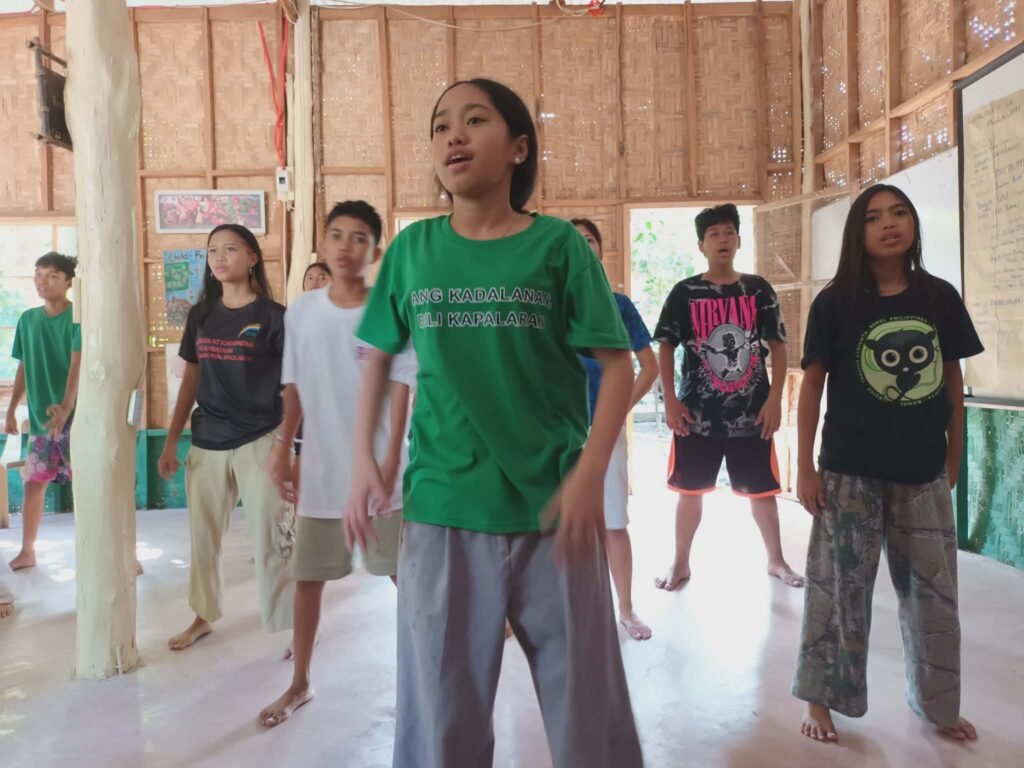
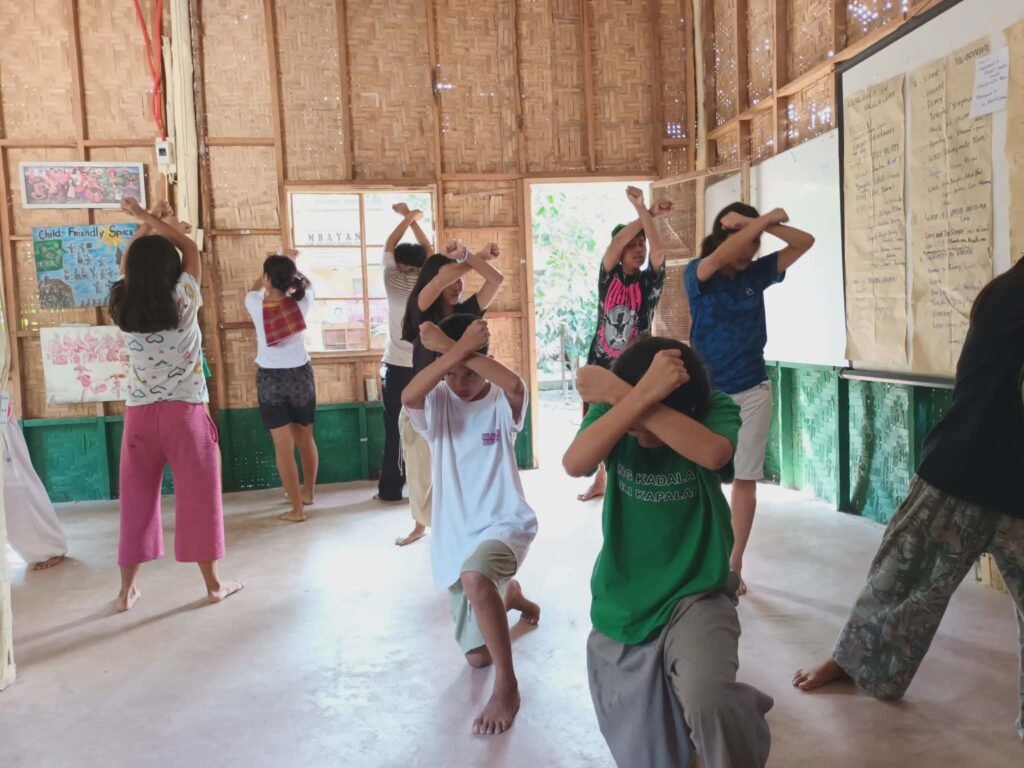
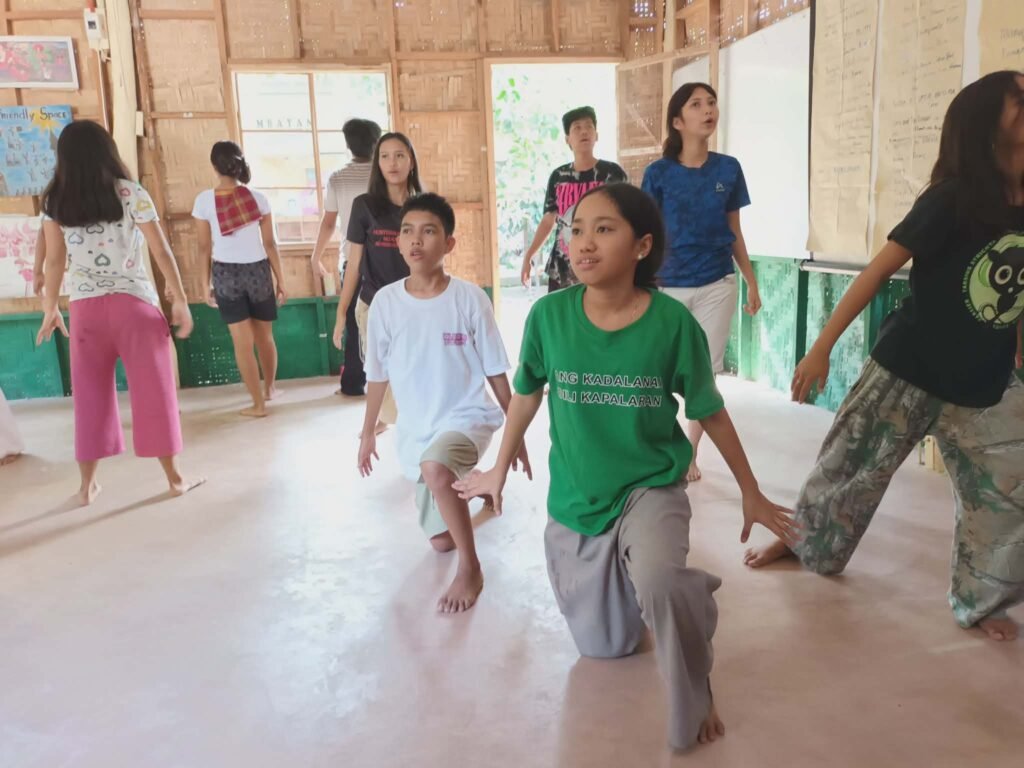
DAVAO CITY (April 23) — In a modest rehearsal space filled with movement, music, and memory, young performers bring to life stories often left unheard on formal stages—stories of survival, loss, and hope.
These lived realities form the heart of “Kadalanan sa Paglaum” (Pathways to Hope), a community theater production by IDOL (I Dream Of Light), the resident youth theater group of Tambayan Center for Children’s Rights, Inc. At its core, the production carries a simple but urgent message: the voices of young people are a force for change.
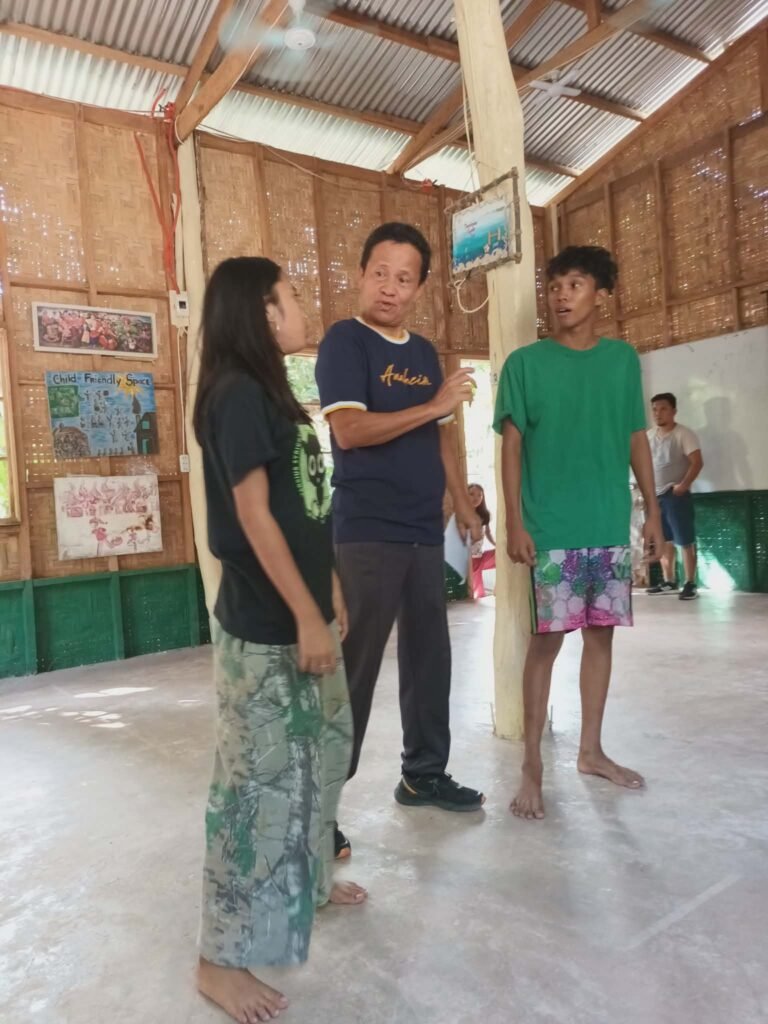
The performers come from marginalized communities across Davao City, including urban poor areas and youth in vulnerable situations—some with experiences of life on the streets, conflict with the law, and systemic exclusion. Many, particularly girls and LGBTQIA+ youth, have faced abuse, exploitation, and discrimination.
Rather than soften these realities, the production places them at the center of the narrative.
Developed through a participatory creative process led by theater director Tony E. Apat, the play is built from the lived experiences of its young performers. It follows the intertwined lives of Vincent, Yoseph, and Remy—three young people navigating poverty, family responsibility, and the daily uncertainties of life on the margins.
Vincent left school early to work odd jobs and help support his family. Yoseph, raised by his grandfather after his mother’s death, learned shoemaking to help meet daily needs. Remy stepped away from school so her sister could continue her studies while carrying the weight of family responsibility and an unplanned pregnancy within the household.
Together, their stories reflect a broader structural reality: limited access to education, fragile support systems, and the persistent pressures of poverty. Yet within these conditions, resilience emerges not as an idea, but as lived endurance.
The production is further shaped by original music under Don James William Estomo of the University of the Philippines Mindanao, and interpretative movement choreography by cultural arts practitioner Mark Francis Kali. Through music, voice, and movement, the stage becomes a space where emotion and experience converge.
For Tambayan Center, “Kadalanan sa Paglaum” continues more than a decade of using theater as a tool for healing and advocacy—transforming children and youth from subjects of stories into co-creators of narrative and meaning.
Supported by the National Commission for Culture and the Arts (NCCA), the project also advances a broader community theater initiative that connects artistic expression with child rights advocacy, youth participation, and local cultural engagement.
Performance Schedule
- May 4 & 6 – Barangay 22, Davao City
- May 7 – Barangay Bucana, Davao City
- May 8 – Barangay Talomo, Davao City