ISABELA CITY, BASILAN(March 18) — As the government rolls out a ₱5,000 fuel subsidy for tricycle drivers in Metro Manila, transport workers in the provinces are left watching—and waiting.
For drivers in Basilan, where incomes are already fragile and costs steadily rising, the assistance cannot come soon enough.
“Sana makarating din dito sa amin,” said Anthony Abon, a tricycle driver in Isabela City. “Malaking tulong ‘yan… mahal talaga ang gasolina.”
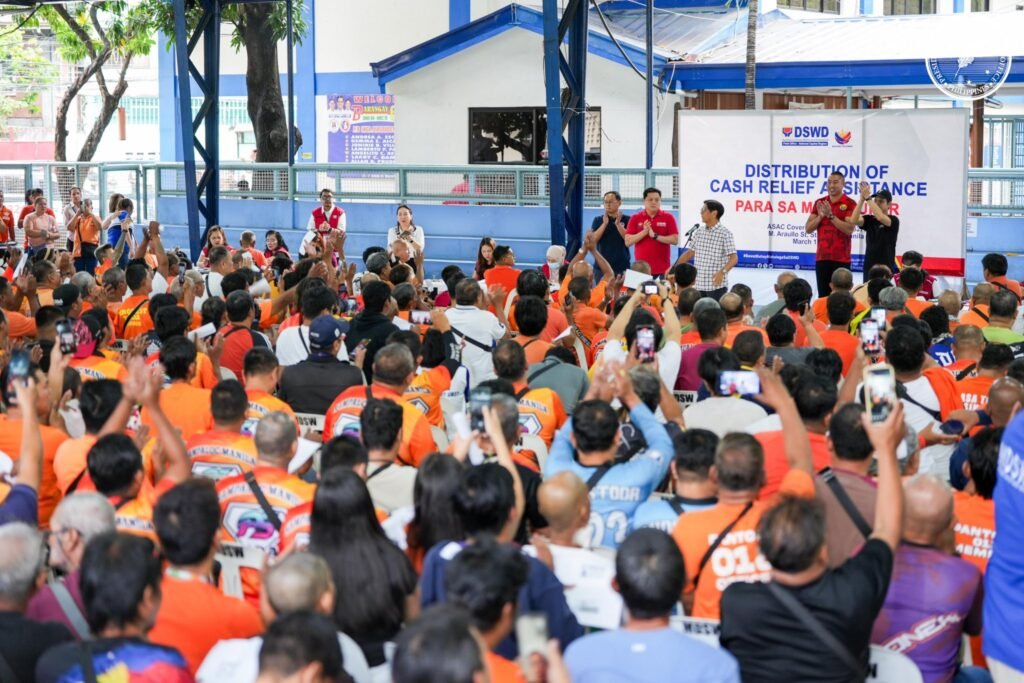
The cash aid, distributed by the Department of Social Welfare and Development starting March 17, is designed to cushion the impact of surging fuel prices on public transport workers. But for now, the rollout is limited to the National Capital Region.
A Familiar Pattern of Uneven Relief
The program highlights a recurring issue in national responses to economic shocks: assistance arrives first—and sometimes only—in urban centers.
While the Department of Transportation has indicated plans to expand the subsidy to other regions, no clear timeline has been set for areas like Basilan, where transport workers face similar, if not greater, vulnerabilities.
For drivers operating on a boundary system, the math is unforgiving.
“Sa taas ng presyo ng gasolina, halos wala nang natitira sa kita namin,” Abon said, describing how daily earnings are consumed by fuel costs and fixed operator fees.
Survival, Not Profit
Unlike salaried workers, tricycle drivers absorb the full shock of fuel price increases. When pump prices rise, their take-home income shrinks immediately—often without a corresponding increase in fares.
The ₱5,000 subsidy, while temporary, could provide breathing room: covering fuel expenses, supporting household needs, or offsetting debts accumulated during lean days.
But the delay in rollout underscores a deeper inequity—where those in geographically isolated and disadvantaged areas must wait longer for the same relief.
Efficiency vs. Equity
DSWD Secretary Rex Gachalian said the agency has streamlined payout systems to ensure faster distribution. Beneficiaries in NCR have been advised to wait for scheduled releases and bring proper identification.
Yet speed in one region raises questions about equity across others.
Is a phased rollout a matter of logistics—or a reflection of longstanding centralization in policy implementation?
Beyond Short-Term Aid
Fuel subsidies offer immediate relief, but they do not address structural issues facing the transport sector: volatile fuel prices, outdated fare systems, and the absence of long-term income protection for informal workers.
In places like Basilan, where economic opportunities are limited and transport demand is less predictable than in urban hubs, these vulnerabilities are even more pronounced.
Waiting on the Margins
For now, drivers in Basilan continue to work longer hours for diminishing returns—hoping the promised assistance reaches them before financial strain deepens further.
“Hindi naman kami naghahangad ng malaki,” Abon said. “Basta may konting tulong lang para makaraos.”
His words reflect a broader sentiment among transport workers outside Metro Manila: not entitlement, but inclusion.
As fuel prices remain volatile, the effectiveness of the subsidy program may ultimately be judged not by how fast it is delivered—but by how far it reaches.