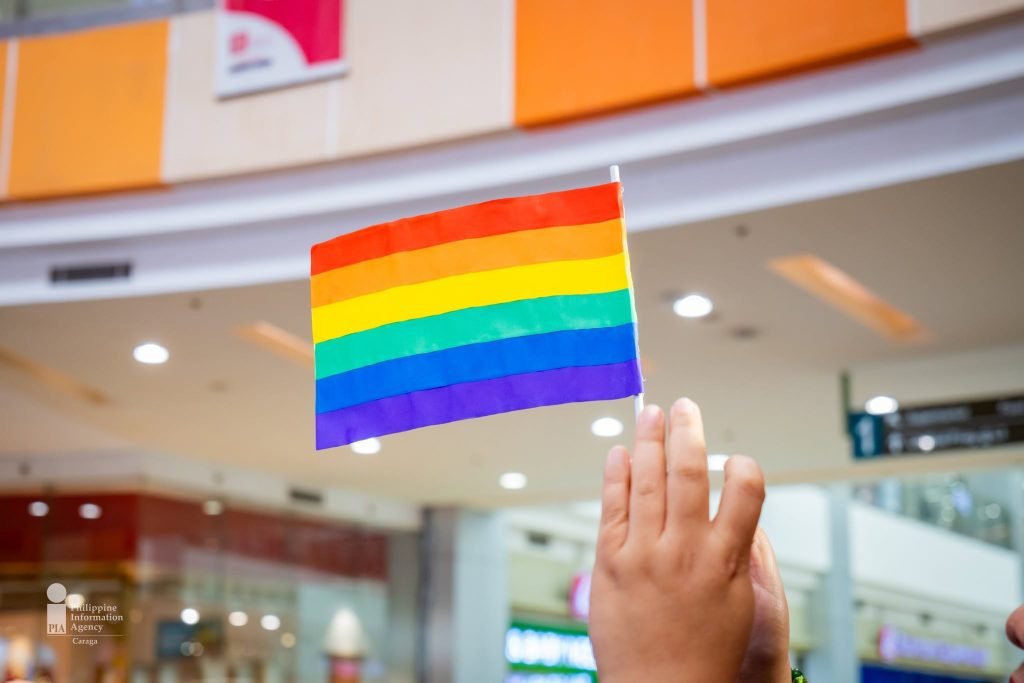
PROSPERIDAD, Agusan del Sur (June 16) — For many children waiting for a permanent home, family is not defined by tradition alone but by love, care, and commitment. This was the message emphasized by the National Authority for Child Care (NACC) as it reaffirmed that qualified members of the LGBTQIA++ community may legally adopt children in the Philippines.
During an online press conference held on June 9 in observance of Adoption and Alternative Child Care (AACC) Week 2026, NACC officials called on Filipinos to embrace a more inclusive understanding of family and support efforts that provide vulnerable children with safe and loving homes.
Attorney Gaby Concepcion, NACC undersecretary, said many people still hold a traditional image of family composed of a mother, father, and children. However, she stressed that modern families take many forms and that what truly matters is the environment in which children are raised.
“Families come in different forms and experiences,” Concepcion explained. “This year’s celebration invites us to look at families from a broader perspective and recognize that there is no single definition of what a family should be.”
She noted that families may consist of married couples, solo parents, adoptive parents, relatives providing kinship care, or individuals committed to raising and nurturing children regardless of conventional family structures.
The theme of this year’s AACC Week, “Love Makes a Family,” reflects the agency’s belief that family is built through relationships rather than biology alone.
Imelda Ronda, NACC director for operations and services, said every child deserves the opportunity to grow up in a stable and nurturing environment where they feel valued, protected, and loved.
“A family is built through love, care, commitment, and the willingness to provide a safe home where children can grow, thrive, and reach their full potential,” Ronda said.
She emphasized that legal adoption and alternative child care programs remain vital pathways for children who need permanent families. Through adoption, children gain not only legal protection and stability but also a sense of belonging that can positively shape their future.
NACC officials clarified that adoption and foster care opportunities are open to all qualified applicants, regardless of sexual orientation, gender identity, or gender expression. Applicants from the LGBTQIA++ community undergo the same screening and evaluation process as all other prospective adoptive parents.
The agency stressed that adoption decisions are guided by one principle above all others: the best interest of the child. Evaluators focus on an applicant’s ability to provide emotional support, protection, financial stability, and a healthy home environment.
Concepcion explained that under current regulations, members of the LGBTQIA++ community may apply through the solo-parent adoption program.
“Only one member of an LGBTQIA++ couple may formally adopt under the existing adoption framework,” she said.
Beyond promoting legal adoption, AACC Week also seeks to increase public awareness of foster care, kinship care, and other alternative child care programs available to Filipino children in need.
For the NACC, the goal is simple yet profound: to ensure that every child has the opportunity to belong to a family where they can experience love, security, and hope.
As the country marks Adoption and Alternative Child Care Week 2026, the agency continues to encourage more Filipinos to open their homes and hearts to children waiting for permanent families, reminding the public that what truly defines a family is not its structure, but the love shared within it.