MANILA (April 16) — More than 4,800 Filipino seafarers remain stranded in the Strait of Hormuz as tensions between Iran and Israel disrupt one of the world’s busiest shipping lanes—raising urgent concerns over safety, labor protection, and crisis response.
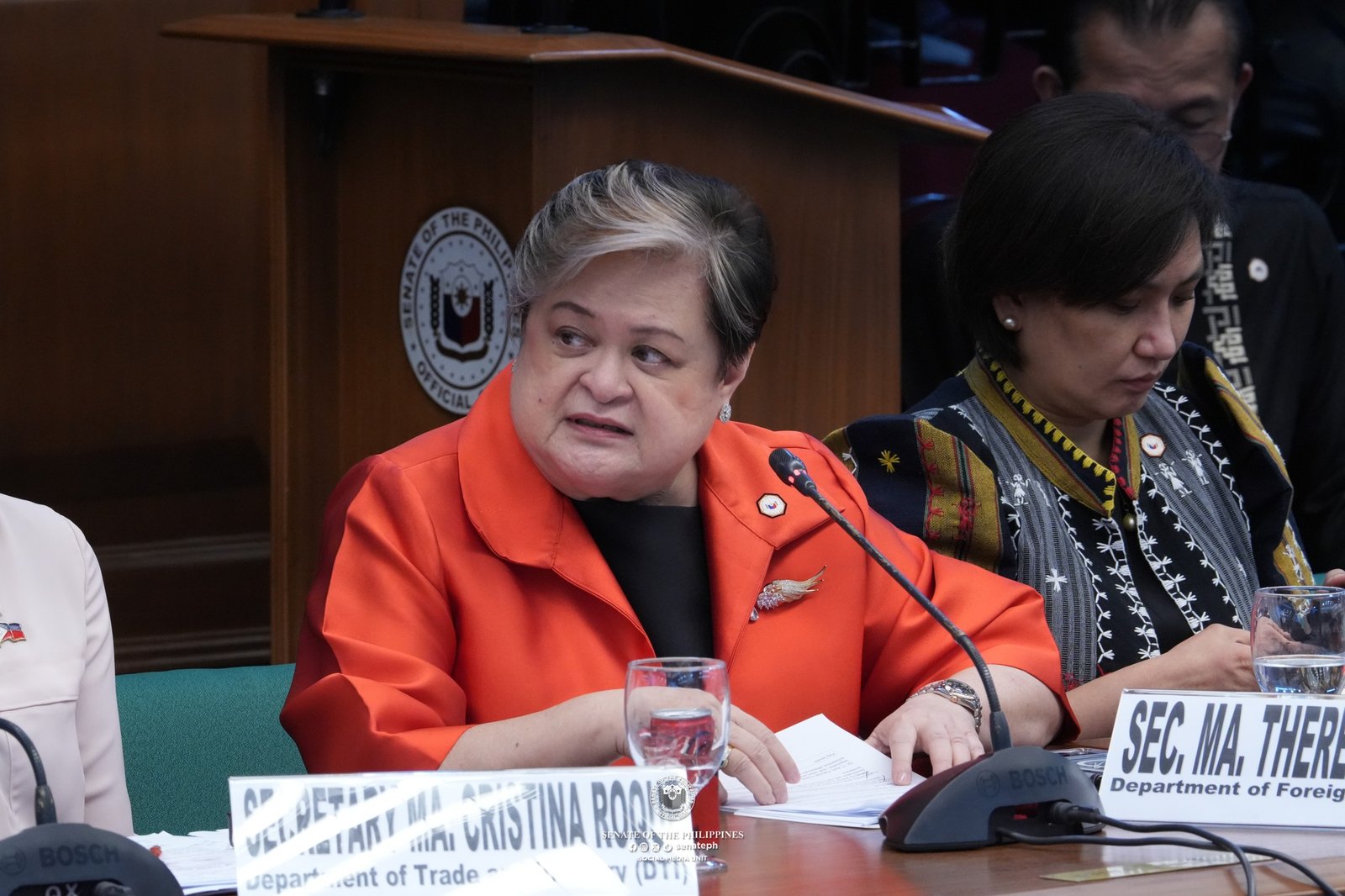
Speaking before a Senate oversight panel, Maria Theresa Lazaro of the Department of Foreign Affairs said that as of April 11, a total of 4,862 Filipinos aboard 463 vessels were affected by the standoff. The figure forms part of an estimated 20,000 seafarers stranded across 2,000 ships in the region, based on United Nations data.
The Strait of Hormuz, a critical chokepoint for global oil and cargo shipments, has become increasingly volatile amid the ongoing conflict—leaving thousands of crew members effectively stuck at sea, with limited mobility and uncertain timelines for safe passage.
While the government continues to monitor the situation, the scale of the crisis highlights long-standing vulnerabilities among Filipino seafarers, who make up a significant portion of the global maritime workforce.
Advocates note that in high-risk zones, seafarers often have little control over deployment decisions, limited access to timely evacuation, and varying levels of protection depending on their employer and flag state. In conflict situations, they can find themselves caught between commercial pressures to keep cargo moving and real threats to their safety.
The incident also raises questions about preparedness. How quickly can assistance be mobilized? Are there clear protocols for rerouting or extracting Filipino crews from conflict zones? And what safeguards are in place to ensure that seafarers are not compelled to remain in dangerous waters?
For now, thousands of Filipino seafarers remain at the frontline of a geopolitical crisis far from home—underscoring the human cost of global trade routes that rarely make headlines until they are disrupted.