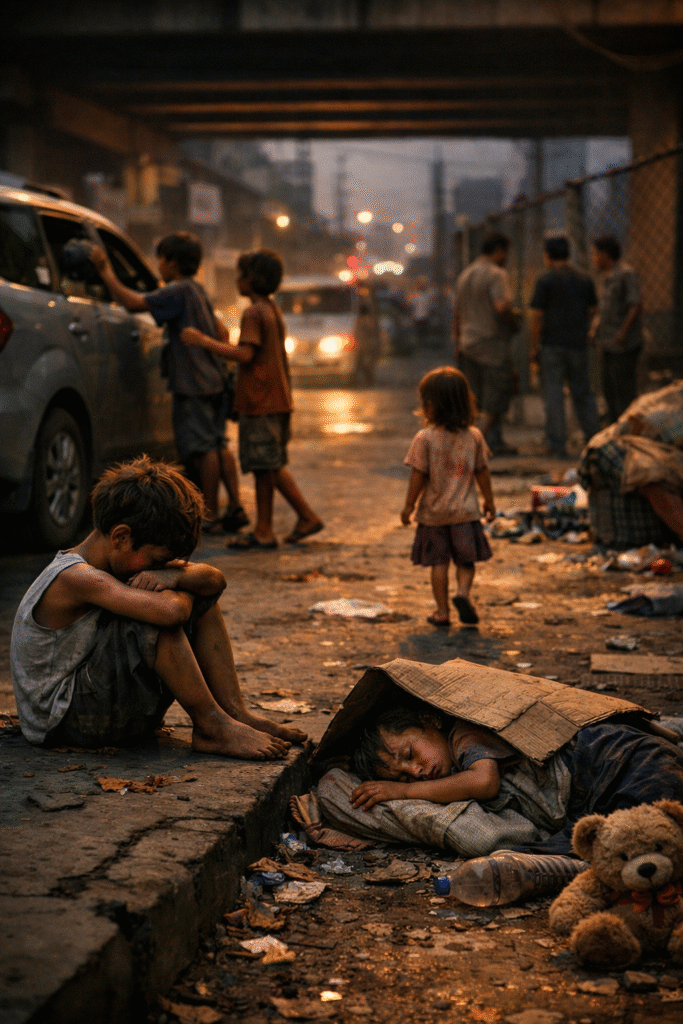
ZAMBOANGA CITY (April 16) — Annual observances and outreach activities continue to draw attention to children in street situations (CISS), but advocates warn that visibility alone is not enough to guarantee their protection.
During the April 11 commemoration of the International Day of Children in Street Situations, led by Katilingban sa Kalambuan Org., Inc. (KKI), government and civil society actors reiterated commitments to education and welfare services. Yet on the ground, many children remain exposed to neglect, exploitation, and systemic gaps in child protection.
KKI Executive Director Joanna Amor Chiong highlighted a persistent reality: children on the streets are often shaped by the same conditions that keep their families there—poverty, displacement, and lack of access to basic services. “What they see becomes their reality,” she said, noting that many are still unable to access formal education.
While initiatives such as street-based education in markets, parks, and coastal areas attempt to reconnect children to schooling, these stopgap measures raise a deeper question: are systems in place to ensure sustained protection once children leave the streets—or do they simply return?
Child protection advocates point out that children in street situations are among the most vulnerable to abuse, including economic exploitation, trafficking, substance exposure, and conflict with the law. Despite existing legal frameworks, enforcement remains uneven, and services are often fragmented across agencies.
KKI’s partnerships with local government units and child protection councils aim to address these gaps, but coordination challenges persist. Limited resources, high caseloads, and inconsistent monitoring at the barangay level weaken the ability to provide continuous care, case management, and family reintegration.
KKI President Ray Bongabong emphasized that protecting children cannot rest on single programs or one-off interventions. “Everyone has a role to play,” he said, calling on communities to actively safeguard children’s rights.
However, advocates argue that responsibility must go beyond general appeals. They stress the need for stronger accountability mechanisms, including better tracking of children in street situations, expanded psychosocial services, and more inclusive education systems that address the realities of working and street-connected children.
Nine years into the annual observance in Zamboanga City, the message is clear: progress has been made in raising awareness, but structural reforms remain slow. Without sustained investment in child protection systems—and not just short-term outreach—children in street situations risk remaining caught in cycles of poverty, invisibility, and vulnerability.
For many of these children, the issue is not simply getting off the streets for a day, but whether the systems meant to protect them can offer a real and lasting pathway out.