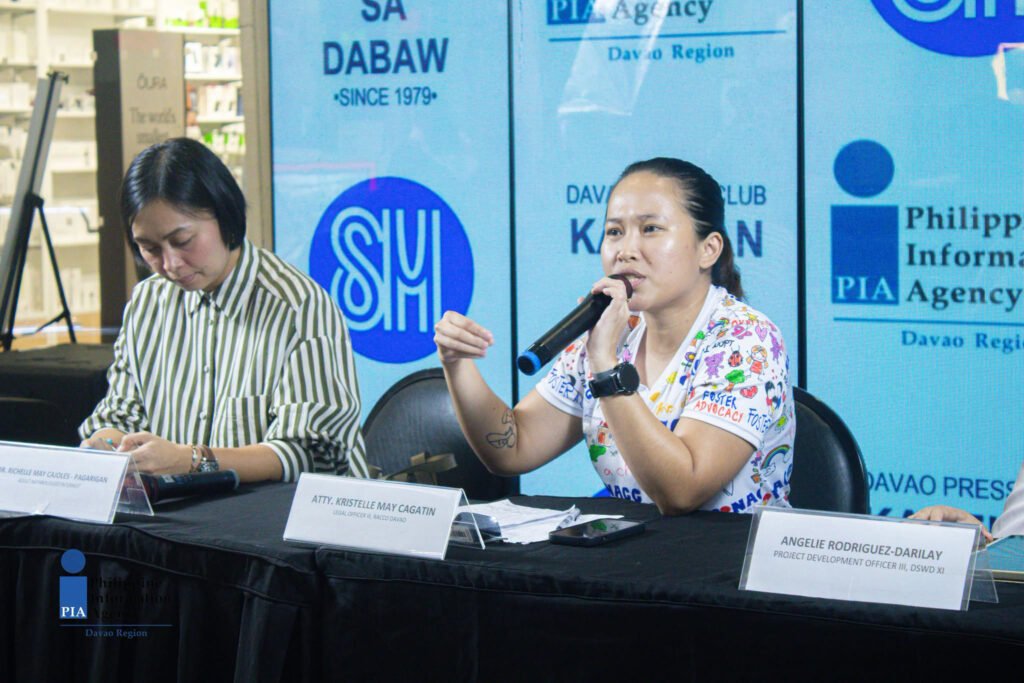
Photo: I Philippine Information Agency Davao Region
DAVAO CITY (June 24) — Caring for a child is not enough without legal protection.
That was the blunt message of the Regional Alternative Child Care Office (Racco-Davao), which is urging families raising children without formal adoption papers to immediately legalize their status—warning that informal arrangements can leave children vulnerable for life.
Speaking at the Kapehan sa Dabaw forum, legal officer Atty. Kristelle May Cagatin stressed that adoption is not just paperwork, but a safeguard for identity, inheritance, and long-term security.
“Love and care must be matched with legal protection,” she said.
Care Without Papers, Risks Without Protection
Across the Davao Region, many children are raised by relatives or non-biological caregivers without formal adoption. While often well cared for, they remain legally unprotected.
Without adoption papers, children may later face:
• No automatic inheritance rights • No legal proof of parent-child relationship • Custody disputes if caregivers die or separate • Barriers to government benefits • Uncertain civil status and identity
Legal adoption places a child fully within a family—granting the same rights as a biological child, including legitimacy, parental authority, and inheritance protection.
Foundlings and Legal Identity
The agency also highlighted Republic Act No. 11767, which strengthens the rights of foundlings and abandoned children by ensuring legal identity and access to civil registration.
Without documentation, many children are excluded from education, healthcare, and social protection systems—effectively invisible to public services.
Foster Care as a Temporary Lifeline
Racco-Davao reported that 50 licensed foster parents are currently caring for 63 children across the region under the Foster Care Act of 2012.
Foster care provides a temporary family setting for children who cannot stay with their biological families, while authorities pursue reunification, adoption, or other permanent solutions.
The Gap Between Care and Protection
Child welfare advocates say the Philippines is steadily shifting toward family-based care, where children grow up in homes rather than institutions. But gaps remain.
Many caregivers are unaware of adoption procedures, while others lack access to legal assistance or social services that can guide them through the process.
Racco-Davao’s message is clear: a child’s well-being does not end with being cared for—it begins with being legally protected.
“Every child deserves not just love, but a name, a home, and a future secured by law,” the agency said.