SURIGAO CITY (April 16) — A multi-million peso fish port upgrade is being pitched as a game-changer for Surigao’s fisheries sector—but for many small fishers, the bigger question is whether the benefits will actually reach them.
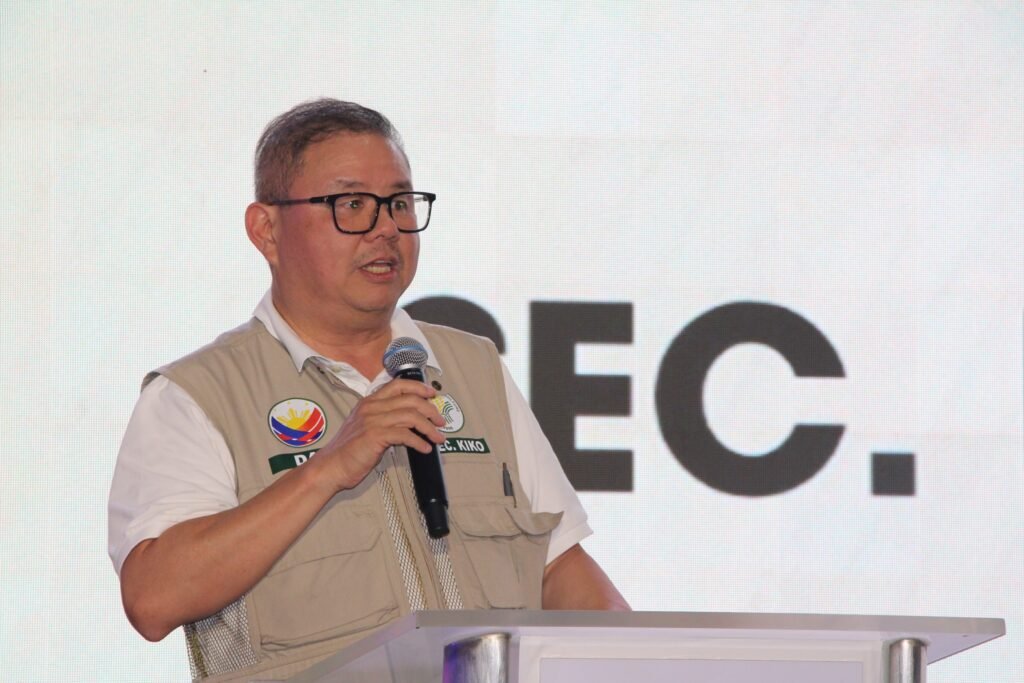
Leading the inspection, Francisco Tiu Laurel Jr. of the Department of Agriculture said the two-phase modernization will strengthen the fisheries value chain, improve handling and storage, and open up new economic opportunities.
Phase I, worth PHP193.6 million, focuses on core infrastructure—a new pier, slope protection, and trading facilities—to ease fish landing and market flow. It is now over halfway complete and targets completion by October.
Phase II, pegged at PHP172.39 million, adds the high-value pieces: ice plants, cold storage, and blast freezers meant to cut post-harvest losses and allow fishers to sell at better prices instead of rushing to offload fresh catch.
But infrastructure alone doesn’t guarantee inclusion.
Across the country, similar upgrades have often tilted advantage toward larger operators who can afford storage fees, move bigger volumes, and tap into formal markets. Meanwhile, municipal fishers—who make up the backbone of the sector—risk being priced out or sidelined if access isn’t carefully managed.
The issue isn’t just capacity. It’s control.
Who gets priority use of cold storage?
Who sets the fees?
Who connects to buyers beyond the local market?
Without clear safeguards, advocates warn, modern ports can widen—not close—the gap between small fishers and commercial players.
With Phase I at 56 percent and Phase II at 32 percent, construction is moving on schedule. But the real measure of success won’t be concrete poured or equipment installed—it will be whether small fishers see higher incomes, stronger bargaining power, and real access to the upgraded system.
For now, the promise is clear. The outcome is not.